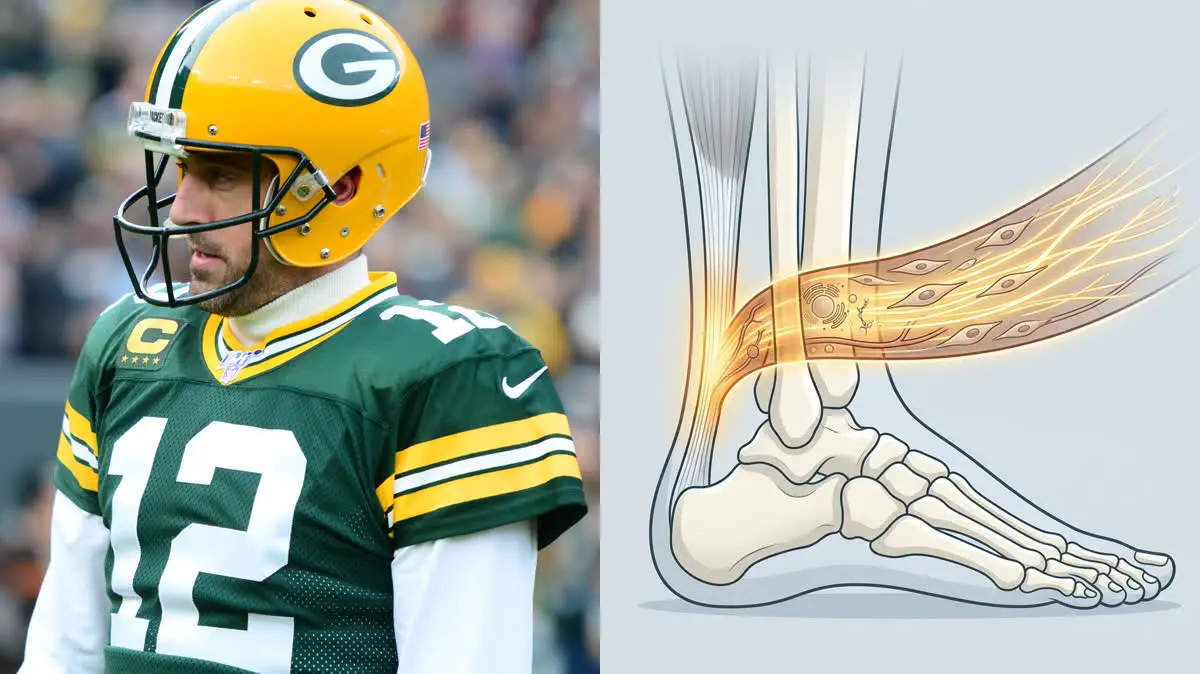
"A ruptured Achilles tendon is like a snapped mooring rope on a ship. You cannot restore its strength by keeping the ship docked in calm waters forever; you must place gradual tension on the rope to make the fibers knit back tightly."
When four-time NFL MVP Aaron Rodgers went down just four plays into his New York Jets debut with a torn Achilles tendon, the sports world was in shock. At 39 years old, such an injury is often a career-ender. Yet, Rodgers made headlines by throwing passes on the field just eleven weeks after surgery, challenging standard recovery timelines.
Standard post-op protocols that rely on long casting often delay recovery. Keeping the ankle immobilized in a boot for months prevents the tendon from experiencing any mechanical load. This results in disorganized scar tissue, severe calf muscle wasting, and a permanent loss of ankle springiness.
To rebuild a snapped tendon, you must introduce controlled tension early in the healing process. Through targeted achilles tendon repair rehabilitation, we can stimulate collagen remodeling and restore joint spring. This guide analyzes Rodgers' recovery mechanics and outlines the clinical steps to rebuild tendon strength.
The Cellular Paradox of Tendon Remodeling
The Achilles tendon is the thickest and strongest tendon in the body, connecting your calf muscles to your heel bone. It acts as a powerful spring, storing and releasing energy with every step. When the tendon ruptures, this spring snaps, requiring surgical suturing to pull the torn ends back together.
Tendon healing is a slow, cellular process. In the first few weeks, the body lays down weak Type III collagen in a scattered, disorganized pattern. To transform this weak mesh into strong, aligned Type I collagen, the cells need a mechanical signal. Early, controlled micro-loading provides this signal, telling the cells to align the fibers along the line of pull.
Clinical data indicates that early weight-bearing and isometric loading stimulate tendon cells (tenocytes) to produce collagen, increasing tendon tensile strength by up to 40% within the first 6 weeks. Prolonged immobilization, conversely, reduces tendon stiffness and increases the risk of re-rupture upon return to sport.
Clinical metrics display the impact of movement on healing tendon tissues:
- 1Early Tensile Strength Boost controlled micro-loading in the first month increases tendon tensile strength by 40%.
- 2Re-Rupture Rate ReductionActive, early mobilization protocols reduce re-rupture rates to less than 3% in repaired tendons.
- 3Calf Muscle Atrophy PreventionEarly weight-bearing prevents up to 50% of the calf muscle wasting associated with static casting.
- 4Full Remodeling TimelineThe complete transformation of repaired scar tissue into organized collagen takes up to 12 months of progressive loading.
The Clinical Opinion: Avoid Static Cast Immobilization
"The old protocol of casting an Achilles rupture for 8 weeks and keeping the foot pointed down is outdated. It leaves the patient with a weak, lengthened tendon that has zero spring. My clinical approach is early weight-bearing in a boot with heel wedges, combined with gentle isometric holds. This maintains calf muscle volume and ensures the new collagen fibers knit back in a tight, parallel alignment."
The 3-Step Tendon Loading Protocol
To rebuild your Achilles tendon, you must progress from static holds to dynamic loading. Focus on maintaining control and avoiding any sudden movements.
Phase 1: Early Post-Op Isometric Holds
Once cleared for early loading (typically week 2-3 post-surgery), perform gentle calf contractions without moving your ankle (isometrics). Sit on a chair with your foot resting on the floor in your recovery boot. Gently press the ball of your foot downward against the sole of the boot, engaging your calf muscles. Hold this contraction for 10 seconds, then relax. Perform 5 repetitions, 3 times daily to stimulate early healing.
Phase 2: Heavy Slow Resistance (HSR) Heel Raises
Once out of the boot, you must build tendon stiffness. Stand with both feet flat on the floor, holding onto a counter for balance. Slowly raise your heels over a 3-second count, hold for 2 seconds, and lower back down over a 3-second count. As your strength improves, transition to single-leg heel raises and perform them on the edge of a step to increase range of motion. Perform 3 sets of 10 repetitions, 3 times weekly.
Phase 3: Plyometric Spring Reconditioning
To restore athletic power, you must retrain the tendon's spring capacity. Start with light, double-leg jumps in place, landing softly on the balls of your feet. Progress to single-leg hopping and shuttle runs once you can perform 20 single-leg heel raises with perfect control. This high-speed loading is essential to match the demands of running and cutting. Perform 2 sets of 15 seconds of light jumping, twice weekly.
Restoring Your Athletic Frame
Achilles recovery requires consistent commitment to progressive loading. Avoid stretching your calf muscles aggressively during the first 3 months, as this can stretch the healing tendon, reducing its spring capacity.
For more recovery guides, read our clinical breakdown of Achilles tendinitis loading protocols and our article on restoring ankle stability after sprains. To learn how foot arches impact the Achilles, see our guide on plantar fasciitis heel recovery to support your entire leg alignment.
Featured image attribution: Left panel photo adapted from public domain sports media (Wikimedia Commons). Right panel displays a clinical 3D ankle model showing Achilles tendon cellular repair. Prepared for AyurPhysio clinical reference.
Dr. Dhanushika Dilshani
Expert Ayurvedic Wellness Doctor. Specialized in modern holistic wellness, optimizing dermal resilience, cosmetic radiance, and systematic diagnosis driven by traditional and evidence-based medical logic.
Medical Disclaimer
The information provided by AyurPhysio is for general educational and informational purposes only. It is not intended as a substitute for professional medical advice, diagnosis, or treatment. Always seek the advice of your physician or other qualified health providers with any questions you may have regarding a medical condition. Never disregard professional medical advice or delay in seeking it because of something you have read on this website.
Trending Guides
George Washington's Fatal Bloodletting: An Ayurvedic Reconstruction of Rakta Dhatu Depletion and Ojas Collapse
8 min readJack Grealish's stress fracture of the foot: Soccer Biomechanics, Fifth Metatarsal Load, and Surgical Rehab
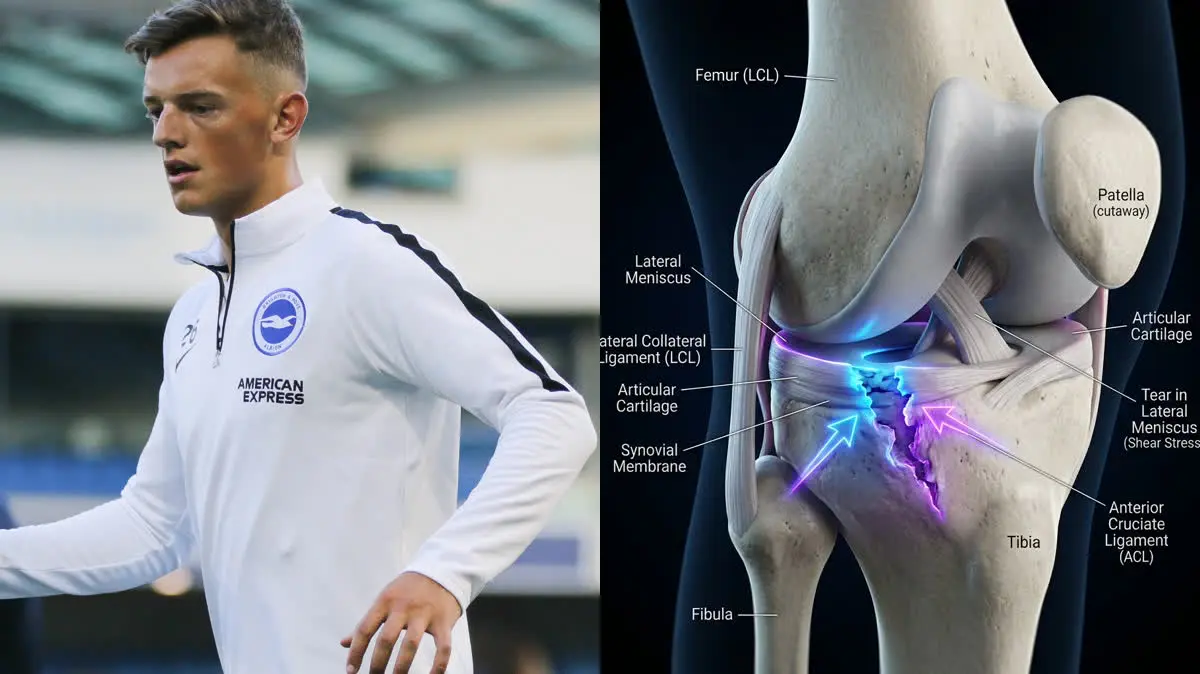
8 min readBen White's Severe Knee Injury: A Biomechanical Analysis of Lateral Meniscus Shear and Joint Longevity
8 min readElly De La Cruz's Hamstring Strain: The Biomechanics of Sprint Deceleration
8 min readTotal Knee Replacement (TKR): Post-Op Protocols for Restoring Extension
9 min readWeekly Wellness
Don't miss the next guide
Join 5,000+ subscribers getting holistic health tips every Tuesday.
Related Healing Guides
View All Guides →
George Washington's Fatal Bloodletting: An Ayurvedic Reconstruction of Rakta Dhatu Depletion and Ojas Collapse
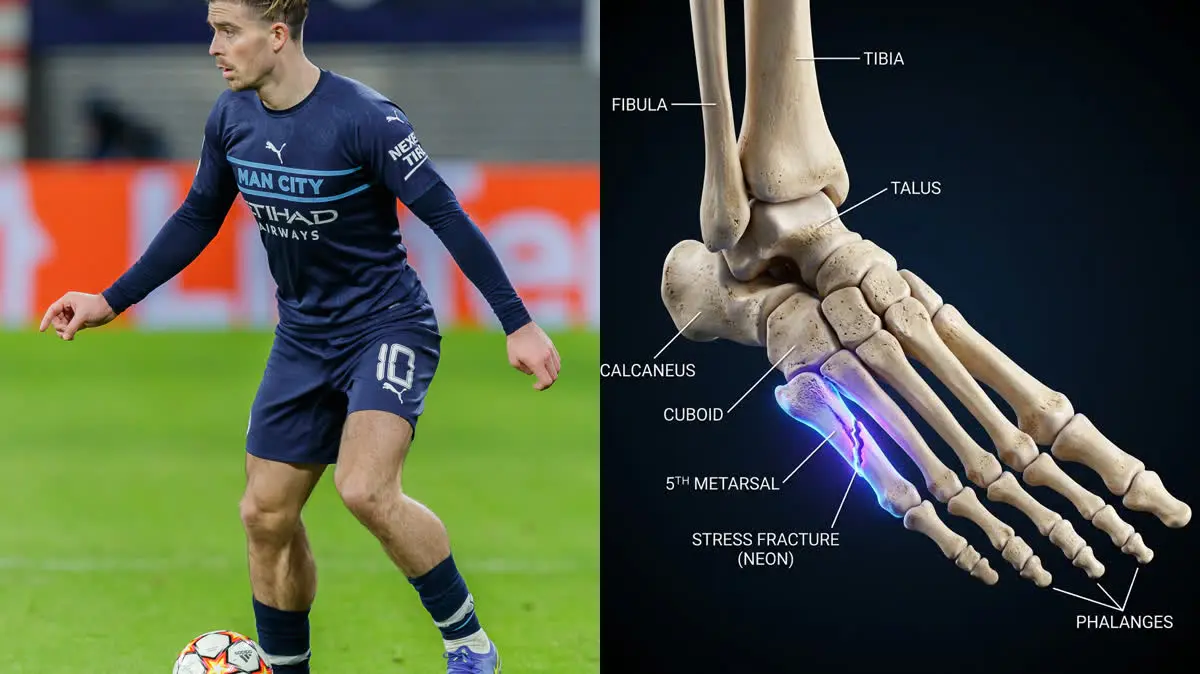
Jack Grealish's stress fracture of the foot: Soccer Biomechanics, Fifth Metatarsal Load, and Surgical Rehab