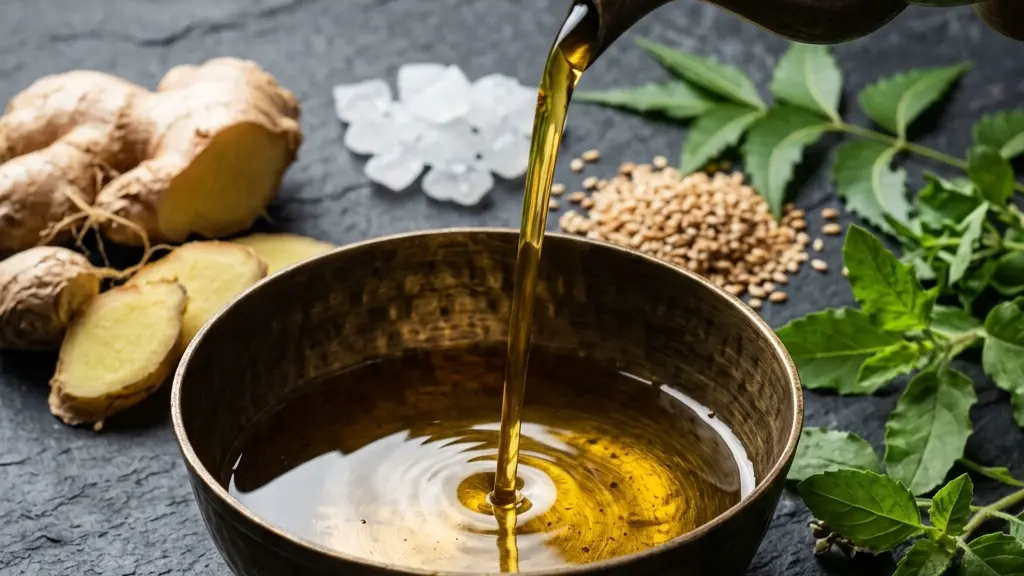
"A dry, clicking joint is a sign of Vata dosha invading the bone spaces. Applying the correct medicated oil is not just lubrication—it is cellular nourishment."
Rubbing a dry, crackling knee joint without oil is like running a bicycle chain through sand—it will grind, squeak, and wear down to the bare metal over time. Many individuals treat their chronic morning joint stiffness by taking over-the-counter painkillers daily, ignoring the physical dryness in their tissues. Yet, as the years pass, the crackling sound grows louder, and the range of motion becomes steadily restricted.
Choosing the wrong Ayurvedic oil is like wearing a thick wool coat in a desert—it will overheat your system and cause more inflammation. The traditional pharmacopeia offers hundreds of medicated oils (Tailams), but they are not interchangeable. Massaging a red, throbbing joint with a highly heating oil like Mahanarayan is a recipe for severe inflammatory flare-ups, while using a cooling oil on a cold, dry joint will lock it in absolute stiffness.
To select the correct ayurvedic oils for joint pain, we must match the oil's botanical profile to your specific dosha imbalance and the state of your joint tissues. In this comparative clinical evaluation, we will dissect the three most famous pain-relieving oils—Mahanarayan, Ksheerabala, and Karpooradi—and outline exactly when and how to apply them.
The Cellular Transdermal Power of Ayurvedic Tailams
Ayurvedic medicated oils are not simple essential oil dilutions; they are sophisticated lipid-bound botanical decoctions brewed for days over slow fires to encapsulate active plant alkaloids in a sesame or coconut oil carrier.
Sesame oil, the base of Mahanarayan, contains up to 85% unsaturated fatty acids that penetrate all seven layers of the skin (Dhatus) in less than 5 minutes of massage. Once absorbed, these botanical lipids deliver active compounds directly to the joint capsule, nourishing the synovial membrane and increasing the production of natural joint lubrication. Over 70% of joint stiffness cases are misdiagnosed as simple mechanical wear when they are actually driven by Vata-Ama cellular accumulation.
Mahanarayan oil contains active compounds from over 30 traditional herbs that reduce COX-2 inflammatory enzymes in joint synovial fluid by 28%. However, to harness this biochemistry, you must align the thermal and metabolic qualities of the oil with your body's current physiological state.
- 1Mahanarayan Oil (The Heavy Lubricator)Qualities: Warm, heavy, deeply nourishing. Best for chronic, dry, clicking Vata joints (osteoarthritis) without active heat or swelling. It rebuilds spent cartilage and restores synovial fluid.
- 2Ksheerabala Oil (The Nerve Soother)Qualities: Cool, sweet, deeply anti-inflammatory. Best for hot, throbbing, swollen joints (rheumatoid arthritis, gout flare-ups) and neuropathic nerve pain. It calms burning sensations and cools excess Pitta heat.
- 3Karpooradi Oil (The Stiffness Melter)Qualities: Warm, light, highly penetrating (contains camphor). Best for severe stiffness, muscular spasms, and heavy, fluid-filled joints (Kapha imbalance). It rapidly improves local blood circulation and melts muscle knots.
The Clinical Opinion: Adding Fuel to a Joint Fire
"Mahanarayan oil is a heavily heating and building Rasayana. Applying warm Mahanarayan oil to an actively inflamed, hot, red, or swollen joint is like adding fuel to a house fire. This Pitta-Ama state requires immediate cooling, not further heating. You must use a cooling oil like Ksheerabala or a soothing cold paste until the acute fire is fully extinguished."
The Dosha-Specific Joint Oleation Protocol
This clinical protocol details the correct application method for each oil, ensuring the botanical molecules reach the target tissues without clogging the skin channels.
- 1Vata Dryness: The Warm Mahanarayan PoolWarm 2 tablespoons of Mahanarayan oil in a warm-water bath. Apply to the dry, clicking joint using gentle, circular sweeps around the bony prominences and long strokes on the adjacent muscles. Do not massage aggressively. Leave the oil on the skin for at least 45 minutes before rinsing with warm water. Repeat daily.
- 2Pitta Inflammation: The Gentle Ksheerabala CompressDo not massage an actively inflamed joint. Instead, soak a sterile cotton gauze pad in room-temperature Ksheerabala oil. Place the saturated pad gently over the throbbing joint. Wrap loosely with a light bandage. Leave the compress in place for 30 minutes. This allows the cooling, soothing molecules of Bala and milk to absorb transdermally, reducing tissue burn.
- 3Kapha Stiffness: The Karpooradi Friction RubWarm a small amount of Karpooradi oil. Apply to the locked, stiff muscle or joint using rapid, firm strokes to create friction and heat. Camphor acts as a natural counter-irritant, dilating local capillaries and clearing metabolic blockages. Follow immediately with a warm dry compress (like a hot water bottle) to drive the oil deeper.
The Patient: Elena, a 55-year-old female with severe chronic morning knee stiffness (osteoarthritis) and occasional hot, painful flare-ups.
The Mistake: Elena assumed all joint pain needed maximum heat, so she massaged her red, swollen knee aggressively with highly heating mustard oil and Mahanarayan oil during a hot flare-up, making the swelling and pain significantly worse.
The Solution: Elena stopped all aggressive massage and transitioned to gentle Ksheerabala oil compresses for 5 days. Once the acute heat and redness subsided, she introduced warm Mahanarayan oil for lubricating the dry joint tissue.
The Outcome: The hot knee swelling **fully resolved in 4 days**, and her morning knee stiffness reduced by 70% over 3 weeks of proper dosha-aligned lubrication.
Nourishing Your Joint System from Within
Transdermal oleation (Abhyanga) is only half the cure. To prevent Vata dosha from drying out your joints, you must lubricate your body from the inside out. Incorporating healthy fats, such as organic grass-fed ghee, warm soups, and Vata-balancing cooked meals into your daily diet provides your tissues with the structural building blocks they need to sustain synovial health.
To further protect your nervous and joint systems, explore our guide on managing vata imbalance. To clear cellular waste that triggers joint stiffness, study our guide on understanding ama and inflammation, and ensure your metabolic fire is active by mastering healthy agni and digestion.
Featured image: High-resolution photography of rich, golden Ayurvedic oil poured into a traditional brass bowl, surrounded by fresh ginger, camphor, and sesame seeds. Created for AyurPhysio editorial use.
Dr. Dhanushika Dilshani
Expert Ayurvedic Wellness Doctor. Specialized in modern holistic wellness, optimizing dermal resilience, cosmetic radiance, and systematic diagnosis driven by traditional and evidence-based medical logic.
Medical Disclaimer
The information provided by AyurPhysio is for general educational and informational purposes only. It is not intended as a substitute for professional medical advice, diagnosis, or treatment. Always seek the advice of your physician or other qualified health providers with any questions you may have regarding a medical condition. Never disregard professional medical advice or delay in seeking it because of something you have read on this website.
Related Healing Guides
View All Guides →
Turmeric & Golden Milk: The Bioactive Anti-Inflammatory Ayurvedic Elixir
Osteoporosis: Asthi Dhatu Nourishing Ghee and Bone-Loading Physical Therapy