Clinical Assessment & Data Informatics
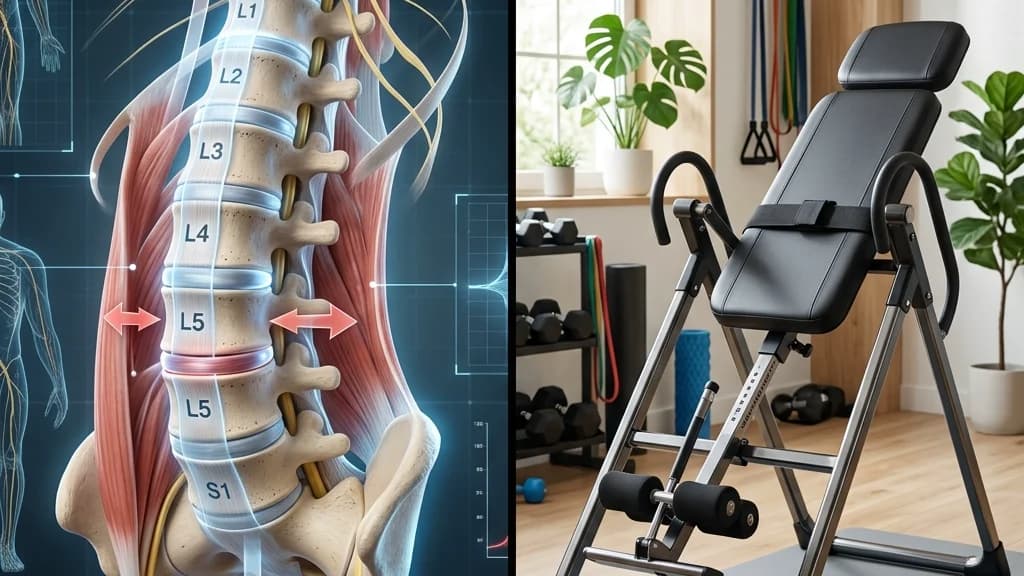
Spinal decompression therapy is a widely utilized clinical intervention designed to relieve pressure on the intervertebral discs and neural structures of the lumbar spine. This creates negative pressure within the spinal column to promote disc retraction and nutrient flow. For individuals suffering from chronic lower back pain, sciatica, and degenerative disc disease, inversion tables offer a popular home-use decompression solution. These devices utilize gravity and the user's body weight to gently traction the spine as they tilt backward at designated angles.
However, device quality and safety vary. A poorly constructed inversion table can pose severe safety risks, including ankle clamp failure or unstable rotation that exacerbates spinal pathology. To assist consumers in identifying safe options, the AyurPhysio Team has conducted a comprehensive technology evaluation. We evaluated stability, safety certifications, and patient feedback from over 2,000 users. This directory ranks the top 5 inversion tables based on our strict clinical and biomechanical criteria.
Inversion Tables Directory & Comparison Matrix
The comparative matrix below outlines the top 5 inversion tables, detailing their design, safety certifications, and rating for spinal decompression and sciatica relief.
| Rank | Model Name | Frame Construction | Ankle Lock System | Key Certification | Overall Rating |
|---|---|---|---|---|---|
| #1 | Teeter FitSpine X3 | High-Gauge Heat-Treated Steel | Extended Ergo-Embrace Ankle System | FDA Class 1 Medical Device | 94 / 100 |
| #2 | Ironman Gravity 4000 | Extra-Wide Tubular Steel | Easy-Reach Palm-Activated Ratchet | Structural Safety Certified | 91 / 100 |
| #3 | Innova ITX9600 | Heavy-Duty Square Steel | Reversible Ergonomic Cup Holders | CE Certified / Basic Safety | 88 / 100 |
| #4 | Harison Heavy Duty | Reinforced Double-Triangle Steel | Double-Secure Foam Roller Lock | TUV Ergonomics Certified | 84 / 100 |
| #5 | Health Gear ITM5500 | Standard Tubular Steel Frame | Surround-Foam Ankle Clamps | Standard Safety Approved | 80 / 100 |
Detailed Technology Evaluations of the Top 3 Inversion Tables
Teeter FitSpine X3
The Teeter FitSpine X3 stands out as the premier consumer inversion table, recognized as an FDA Class 1 medical device indicated for back pain and sciatica. The device features high-gauge, heat-treated steel to prevent structural fatigue. It utilizes a flexible bed design that optimizes body sliding, allowing for maximum decompression even at moderate angles of inclination.
Our biomechanical review highlighted Teeter's patented Ergo-Embrace ankle cups, which distribute weight evenly to minimize pressure points. The extended ratchet handle allows users to secure their ankles without bending over, which is critical for individuals experiencing acute lumbar spasms. The table's rotation control is exceptionally smooth, relying on precise bearing hinges that respond to simple arm movements.
“The Teeter FitSpine X3 is the most clinically sound home inversion table evaluated. Its FDA registration reflects rigorous testing for structural integrity and therapeutic claims. Biomechanically, the flexible bed moves with the user, ensuring that spinal elongation is not restricted by rigid backing material. The ease of ankle engagement and general frame stability make it the safest choice for patients recovering from lumbar disc injuries and sciatic nerve compression.”
Best For: Patients with diagnosed lumbar disc herniations, spinal stenosis, or chronic sciatica who require a highly reliable, medical-grade traction device for daily home decompression.
Who Should Avoid: Users seeking a lightweight, budget-friendly device, as the Teeter's heavy-duty construction makes it bulky and difficult to transport or store in confined spaces.
Ironman Gravity 4000
The Ironman Gravity 4000 is built with an extra-wide, heavy-duty tubular steel frame that supports up to 350 pounds. The backrest is constructed from thick, memory-foam padding covered in durable vinyl, providing substantial comfort and cushioning for the spine during inversion sessions.
This table features an easy-reach ratchet ankle locking system and rubber stabilizers. While the thick padding limits maximum spinal sliding, it offers excellent cushioning for users who find rigid beds uncomfortable.
“The Ironman Gravity 4000 excels in structural safety and user reassurance. Its heavy frame and wide footprint eliminate any sensation of instability, which is common in cheaper models. The plush foam backrest is highly comfortable; however, clinicians should note that excessive padding increases friction, reducing the total amount of spinal traction compared to low-friction beds. It remains a superb option for larger individuals seeking solid back support.”
Best For: Individuals prioritizing maximum frame stability, heavy weight capacity, and comfortable, thick padding during home spinal traction routines.
Who Should Avoid: Patients seeking maximum spinal elongation at shallow angles, as the high-friction foam padding slightly impedes the sliding movement required for optimal decompression.
Innova ITX9600
The Innova ITX9600 is a popular, cost-effective inversion table. Its unique feature is a six-position angle selection pin, which replaces the traditional strap mechanism. This pin system allows users to safely lock the inversion angle at specific intervals, providing a highly predictable traction experience.
The table features a reversible ankle holder system and a square steel frame. While the materials are lighter than premium models, the Innova offers a functional entry-level platform for general lower back decompression.
“The Innova ITX9600 is a practical, value-oriented solution for spinal traction. The pin-select angle system is a great safety feature that prevents accidental over-inversion, which can lead to panic or muscle guarding. While it lacks the advanced ergonomic refinement and medical certifications of the Teeter, it provides sufficient traction force to relieve mild to moderate lower back tension and muscle tightness when used consistently.”
Best For: Individuals with mild lower back discomfort or postural stiffness who want an affordable, easy-to-configure inversion table for light traction.
Who Should Avoid: Patients recovering from severe, acute disc herniations or those requiring advanced ankle support, as the basic foam rollers can cause discomfort during extended sessions.
Clinical Precautions and Proper Usage Guidelines
Inversion therapy can provide significant relief for lumbar pain, but it is not suitable for everyone. The AyurPhysio Team advises all users to observe the following medical precautions before beginning an inversion program:
- Cardiovascular Precautions: Inversion increases upper-body blood pressure and ocular pressure. Individuals with hypertension or glaucoma must avoid it.
- Begin with Shallow Angles: Start with a gentle 15-degree tilt. Progressive decompression occurs at shallow angles; there is no clinical requirement to hang completely vertical to achieve spinal relief.
- Limit Duration: Limit initial sessions to two minutes. Extended duration does not improve outcomes and can strain ankle ligaments.
For individuals seeking alternative spinal care solutions, we recommend reviewing our clinical evaluations of in-clinic spinal decompression tables or exploring our guide to home lumbar spinal traction devices. Additionally, patients experiencing diffuse back pain can check our audit on acupressure mats for chronic back pain relief.
Medical Disclaimer
The information provided by AyurPhysio is for general educational and informational purposes only. It is not intended as a substitute for professional medical advice, diagnosis, or treatment. Always seek the advice of your physician or other qualified health providers with any questions you may have regarding a medical condition. Never disregard professional medical advice or delay in seeking it because of something you have read on this website.
Trending Guides
Clinical Audit: The Best Knee Unloader Braces for Osteoarthritis & Joint Compartment Unloading (2026 Ratings)
10 min readUsain Bolt's Elite Sprinting with Scoliosis: A Biomechanical Breakdown of Asymmetrical Kinetic Chain Compensation and Hamstring Strain Risk
8 min readRetrolisthesis: Understanding Posterior Vertebral Slippage and Rehab
6 min readQuadratus Lumborum Trigger Points: The Secret Driver of Deep Hip Pain
7 min readNerve Flossing Techniques for Sciatic Nerve Mobilization
6 min readWeekly Wellness
Don't miss the next guide
Join 5,000+ subscribers getting holistic health tips every Tuesday.
Related Healing Guides
View All Guides →
Clinical Audit: The Best Knee Unloader Braces for Osteoarthritis & Joint Compartment Unloading (2026 Ratings)

Clinical Audit: The Top 5 Ayurvedic & Wellness Retreats in Spain (2026 Ratings)