Dry Needling for Spinal Trigger Points: How It Works and Clinical Benefits
"Trying to massage a deep spinal trigger point is like trying to press a button on a wall using a soft pillow—the force simply diffuses across the surface without ever activating the switch."
If you have ever felt a hard, painful "knot" in your neck or upper back that refuses to relax no matter how hard you rub it, you are dealing with a trigger point. These highly localized, hyperirritable spots in your muscle fibers can cause severe back pain, restrict your movement, and even radiate pain to other areas of your body.
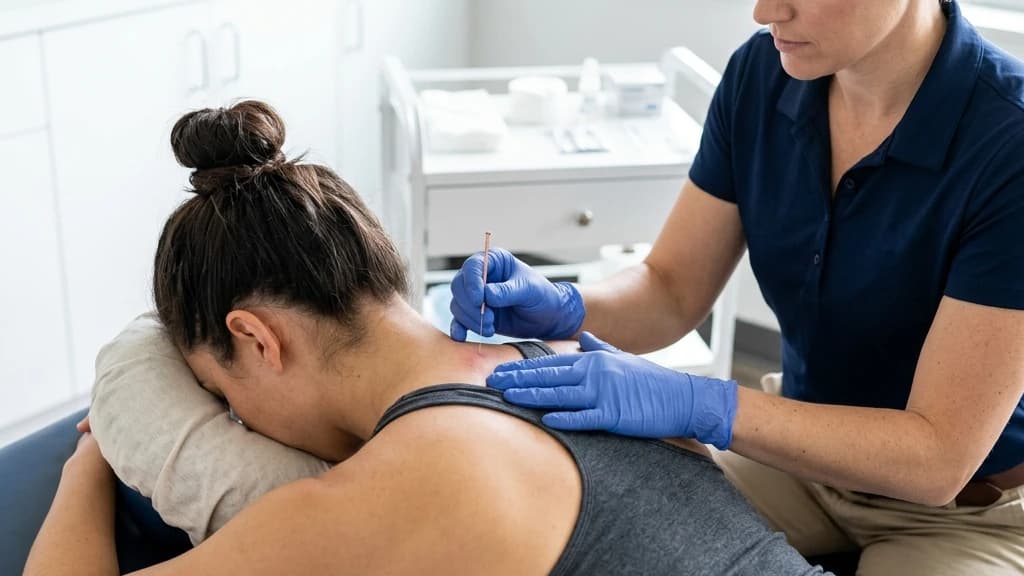
While traditional massage therapy can help relax superficial muscle layers, deep trigger points along the spine are often too deep to reach with manual pressure. In modern physical therapy, one of the most effective tools for targeting these deep knots is dry needling for spinal trigger points.
By inserting a sterile, thin needle directly into the center of the trigger point, we can trigger a localized muscle spasm that resets the muscle's electrical activity. This quick intervention restores normal muscle tone and brings immediate relief.
The Science of the Knot: Why Muscles Stay Contracted
To understand how dry needling works, we must examine the chemistry of a spasming muscle. A trigger point forms when a small band of muscle fibers gets locked in a state of continuous contraction, cutting off its own oxygen and blood supply.
Active trigger points are present in up to 85% of patients suffering from chronic mechanical low back pain. Without intervention, these areas can remain locked for months.
A locked trigger point creates a localized energy crisis within the muscle tissue:
- Energy Crisis: Continuous contraction depletes local energy (ATP), preventing the muscle fibers from sliding back to a relaxed state.
- Acidic Build-up: The lack of blood flow traps lactic acid and inflammatory chemicals, sensitizing the local pain receptors.
- Twitch Reset: Inserting a dry needle achieves a local twitch response (LTR) in up to 90% of treated trigger points, flushing the area.
This local twitch response is the key to recovery. The twitch acts like a safe, micro-lightning rod, forcing the short-circuiting electrical node to discharge its built-up tension and reset the muscle circuit. Following needling, blood flow to the area increases by up to 200%, bringing fresh oxygen and healing nutrients.
Dry Needling vs. Acupuncture: The Clinical Difference
Many patients confuse dry needling with acupuncture because the tools used are identical. However, the theoretical basis and clinical application of these two treatments are completely different.
My decisive clinical opinion is that dry needling is a highly scientific, anatomical intervention targeting tight bands of muscle tissue—it has nothing to do with traditional energy meridians. Acupuncture is focused on restoring the flow of energy (Qi) along traditional pathways to treat systemic issues. In contrast, dry needling relies on western anatomical principles, aiming to physically disrupt a localized muscle spasm to restore range of motion.
Squeezing or rolling a deep spinal trigger point is a slow, painful path; a single dry needle can target and reset a spasming muscle within 30 seconds. For upper back knots, combining needling with targeted myofascial release is highly effective. To ensure the knots do not return, you must also strengthen your deep spinal support muscles.
The Patient: Evelyn, a 46-year-old administrative assistant, presented with constant, burning pain between her shoulder blades that made typing for over 15 minutes unbearable.
The Mistake: Evelyn was taking muscle relaxers daily and receiving aggressive deep-tissue massages that left her back bruised but still tight.
The Solution: We targeted the active trigger points in her rhomboids and levator scapulae using dry needling, followed by active mid-back postural extension exercises.
The Outcome: Within 2 sessions, Evelyn's typing pain was reduced by 85%, and she was able to work her shifts comfortably without any muscle relaxers.
Three Clinical Benefits of Dry Needling
To understand why this therapy is so widely used in modern physical therapy, perform these three clinical evaluations:
-
1Immediate Muscle Deactivation By targeting the motor endplate where the muscle receives its electrical signals, the needle forces the spasming fibers to contract one last time (the twitch) and then relax completely. This breaks the cycle of chronic contraction, bringing instant relief to tight joints.
-
2Restoration of Local Blood Flow As the muscle relaxes, compressed capillaries open up, allowing fresh blood to flush out trapped acidic chemicals. This sudden influx of oxygen reduces local inflammation and accelerates the healing of micro-torn muscle fibers.
-
3Pain Pathway Desensitization The sensory stimulation of the needle blocks pain signals from reaching the spinal cord, acting as a natural pain blocker. This helps desensitize the nervous system, reducing chronic pain sensitivity. If you suffer from neck stiffness, read our guide on neck stiffness relief.
Locking in Your Muscle Release
Dry needling is a powerful tool to reset muscle tone, but it must be followed by active movement to keep the muscle relaxed. Once your trigger points are released, perform gentle range-of-motion exercises and light stretches to maintain your new joint mobility.
By combining dry needling with active posture training and target core exercises, you can eliminate deep spinal trigger points, restore your range of motion, and live a pain-free, active life.
Irushi Abeywardhana
Senior Physiotherapist & Founder of Physio Pulse. Senior Clinical Physiotherapist passionate about blending advanced movement science with functional resilience.
Medical Disclaimer
The information provided by AyurPhysio is for general educational and informational purposes only. It is not intended as a substitute for professional medical advice, diagnosis, or treatment. Always seek the advice of your physician or other qualified health providers with any questions you may have regarding a medical condition. Never disregard professional medical advice or delay in seeking it because of something you have read on this website.
Trending Guides
Clinical Audit: The Best Knee Unloader Braces for Osteoarthritis & Joint Compartment Unloading (2026 Ratings)
10 min readUsain Bolt's Elite Sprinting with Scoliosis: A Biomechanical Breakdown of Asymmetrical Kinetic Chain Compensation and Hamstring Strain Risk
8 min readRetrolisthesis: Understanding Posterior Vertebral Slippage and Rehab
6 min readQuadratus Lumborum Trigger Points: The Secret Driver of Deep Hip Pain
7 min readNerve Flossing Techniques for Sciatic Nerve Mobilization
6 min readWeekly Wellness
Don't miss the next guide
Join 5,000+ subscribers getting holistic health tips every Tuesday.
Related Healing Guides
View All Guides →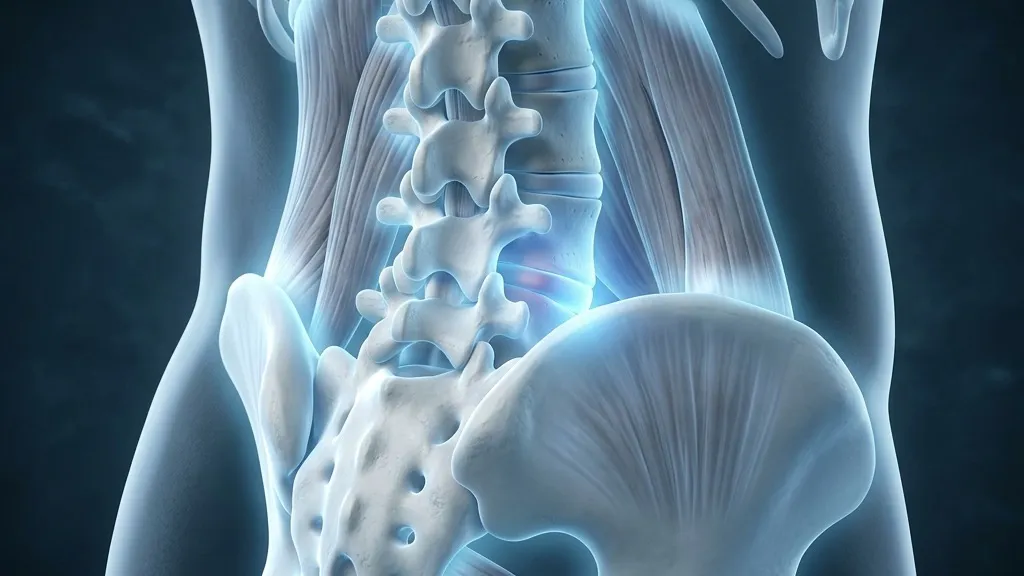
Retrolisthesis: Understanding Posterior Vertebral Slippage and Rehab
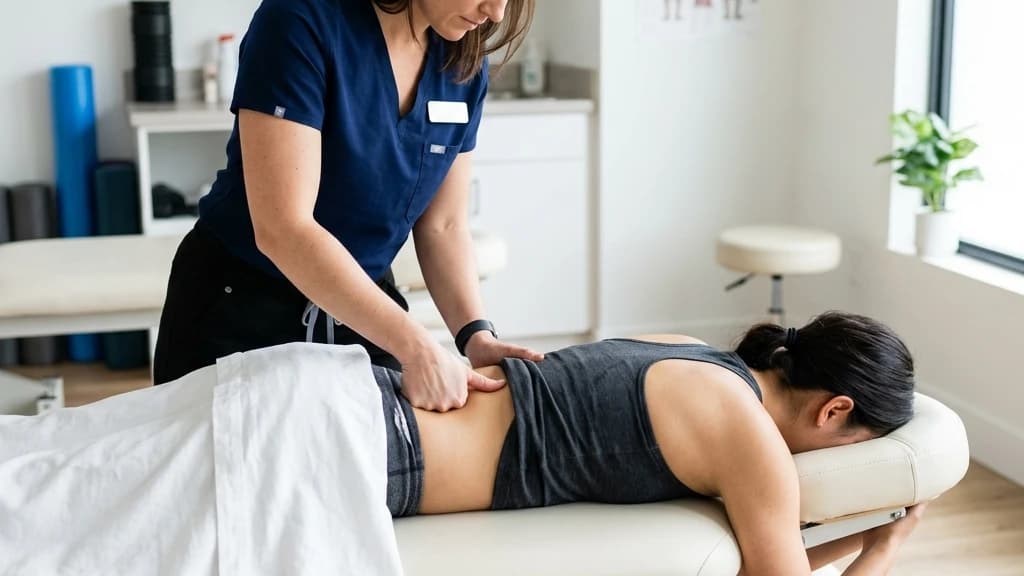
Quadratus Lumborum Trigger Points: The Secret Driver of Deep Hip Pain