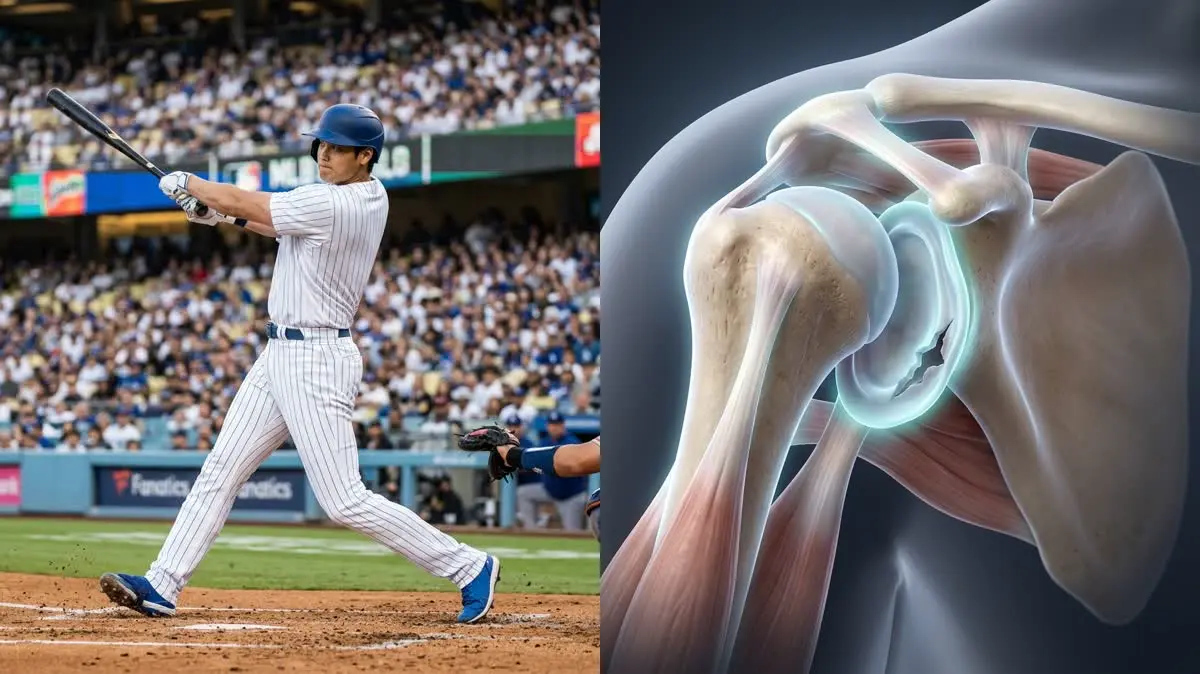
"A shoulder joint is the mechanical equivalent of a golf ball sitting on a tiny tee — inherently unstable and reliant on the surrounding muscle sleeve to prevent it from rolling off."
During Game 2 of the 2024 World Series, a silence fell over Dodger Stadium. Superstar Shohei Ohtani slid second base, landing awkwardly on his left arm with his shoulder extended. As he clutched his left arm, the medical team rushed to the field, diagnosing him shortly after with an acute anterior shoulder subluxation. It was a dramatic injury that threatened to derail his championship run.
A shoulder subluxation is a partial dislocation where the humerus head partially slips out of the glenoid socket before spontaneously popping back into place. While this sliding is transient, it leaves behind significant soft tissue disruption, stretching the joint capsule and tearing the glenoid labrum. This results in painful instability that requires highly structured recovery.
Standard sports medicine often prescribes prolonged rest in a passive sling, but this passive management is a clinical trap. Long-term immobilization leads to capsular stiffness and rotator cuff muscle atrophy. True joint restoration demands early, active neuromuscular retraining to restore active stability. Let us look at the biomechanical reality of these injuries and how athletes rebuild dynamic control.
The Glenohumeral Dilemma: Labral Tears & Socket Depth
The shoulder joint is built for mobility, not stability. The socket of the shoulder blade (glenoid fossa) is remarkably shallow, covering less than a third of the humeral head. To deepen this socket and create a stable cup, the body utilizes a ring of fibrous cartilage called the glenoid labrum. This ring deepens the socket by 50% and acts as a gasket, creating a negative pressure suction seal that holds the bone in place.
During an anterior subluxation, the humeral head is forced forward against the front wall of the joint. This movement stretches the capsule and tears the labrum away from the bone, resulting in labral tears. When the labrum is torn, the socket loses its depth and suction seal. Without this passive suction, the joint becomes highly susceptible to sliding forward again under load, leading to chronic instability.
If the injury is left unaddressed, the surrounding muscles lock up to protect the joint, leading to restricted rotation. Rebuilding joint integrity requires stabilizing the active dynamic stabilizers of the shoulder — the rotator cuff muscles — to pull the humeral head securely back into the center of the socket.
- An anterior subluxation stretches the front joint capsule by up to 30% of its native length, compromising the primary passive ligaments.
- Rotator cuff strength deficits of more than 10% compared to the uninjured side increase the risk of recurrent subluxations by 4x.
- Approximately 85% of acute shoulder subluxations in overhead athletes are successfully managed non-surgically using targeted dynamic stability programs.
- Targeted sports shoulder rehabilitation exercises restore full pre-injury athletic performance in elite athletes within six to eight weeks of the initial event.
Why Passive Slings Retard Joint Recovery
When an athlete subluxates their shoulder, they are often placed in a sling for several weeks to let the tissue heal. While temporary immobilization (for 2 to 3 days) helps manage acute pain, keeping the arm bound to the torso for longer is counterproductive. The shoulder requires controlled movement to maintain healthy blood flow and prevent joint capsule contractures.
My bold, clinician-led opinion is that resting an unstable shoulder in a sling for weeks is a recipe for long-term capsular stiffness and severe rotator cuff atrophy. Active sensorimotor retraining and co-contraction drills must begin as soon as acute pain allows. If you keep the joint completely still, the nervous system forgets how to activate the stabilizers, making the shoulder even more vulnerable when the sling is removed.
Instead of passive rest, the clinical focus must be on dynamic compression. By performing gentle isometric contractions, the rotator cuff muscles are stimulated to compress the humeral head into the socket. This compression provides stability, reduces local muscle spasms, and helps re-align the healing collagen fibers.
"Laxity in the glenohumeral joint is like trying to anchor a sailing ship with a loose, frayed rope — every wave of movement causes the anchor to slip. When Ohtani subluxated his shoulder, the goal was not to make him stiff by keeping him in a sling. The goal was to wake up his rotator cuff muscles to provide active compression. In my clinic, I start active stability drills on day three. We use proprioceptive exercises to teach the stabilizers to react to sudden forces, ensuring the joint remains centered even during explosive movements."
Building Dynamic Stability: The Rotator Cuff Solution
To restore glenohumeral joint stability after a subluxation, the rehab protocol must focus on the four muscles of the rotator cuff: supraspinatus, infraspinatus, teres minor, and subscapularis. These muscles act as a dynamic sleeve that compresses the joint. While the ligaments are stretched, a strong, fast-activating rotator cuff can prevent the bone from sliding out of place.
Rehab begins with closed-kinetic chain exercises where the hand is fixed to a surface. These exercises compress the joint, stimulating the proprioceptors in the capsule and triggering protective reflex muscle contractions. Gradually, we progress to open-chain rotation exercises to build strength in the posterior cuff muscles, which prevent the humerus from sliding forward.
Finally, we must integrate scapular stability. The shoulder socket is part of the shoulder blade; if the shoulder blade does not move in sync with the arm, the humeral head is forced against the edges of the socket, increasing the risk of another subluxation. Targeted rotator cuff exercises must always be paired with scapular control to ensure optimal alignment under load.
Step-by-Step Joint Stabilization Protocol
Perform this active stability sequence daily under clinical supervision. Stop immediately if you experience sharp, catching pain in the joint socket:
-
1Phase 1: Closed-Chain Wall Press (10 repetitions per side) Place your hand flat against a wall at shoulder height, holding a soft massage ball. Keeping your elbow straight, press gently into the ball and perform small, controlled circular motions for 30 seconds. This closed-chain compression activates the rotator cuff stabilizers and stimulates joint proprioception, serving as a primary phase in sports shoulder rehabilitation.
-
2Phase 2: Sidelying External Rotation (3 sets of 12 repetitions) Lie on your unaffected side, holding a light dumbbell in your top hand. Place a rolled towel between your elbow and your ribs. Keeping your elbow bent to 90 degrees, slowly rotate your hand toward the ceiling, hold for 2 seconds, and lower slowly. This strengthens the infraspinatus and teres minor, the posterior cuff muscles that prevent anterior subluxations.
-
3Phase 3: Scapular Prone Y-T-W Drills (10 repetitions per position) Lie face down on a bench or floor. Raise your arms into a 'Y' shape with thumbs pointing up, hold for 2 seconds, and lower. Repeat in a 'T' shape (arms out to the sides) and a 'W' shape (elbows bent, pulling shoulder blades together). This builds the middle and lower trapezius muscles, keeping the shoulder blade aligned during overhead movement.
Sustaining Scapulohumeral Health
Rebuilding a stable shoulder requires looking at how your entire upper body moves. If your shoulder instability is accompanied by stiffness in your upper back, explore our detailed guide on thoracic mobility exercises for shoulder and back pain. If you are recovering from a chronic tendon issue, view our protocol on rotator cuff eccentric strengthening. And to learn more about dynamic joint stability, read our clinical breakdown of shoulder subluxation and proprioceptive training.
Your shoulder is built for dynamic performance, not passive rest. Feed it controlled movement, build your cuff strength, and reclaim your joint stability.
Are you actively training your shoulder stabilizers to compress the joint, or are you hoping a passive sling will keep your socket secure?
Featured image: Clinical side-by-side composite showing Shohei Ohtani in action (left) and an anatomical 3D rendering of a shoulder joint with a labral tear (right). Created for AyurPhysio editorial use. Wikimedia Commons attribution: Shohei Ohtani image by Wpcpey licensed under CC BY-SA 4.0. Modified by cropping and compositing.
Dr. Dhanushika Dilshani
Expert Ayurvedic Wellness Doctor. Specialized in modern holistic wellness, optimizing dermal resilience, cosmetic radiance, and systematic diagnosis driven by traditional and evidence-based medical logic.
Medical Disclaimer
The information provided by AyurPhysio is for general educational and informational purposes only. It is not intended as a substitute for professional medical advice, diagnosis, or treatment. Always seek the advice of your physician or other qualified health providers with any questions you may have regarding a medical condition. Never disregard professional medical advice or delay in seeking it because of something you have read on this website.
Trending Guides
George Washington's Fatal Bloodletting: An Ayurvedic Reconstruction of Rakta Dhatu Depletion and Ojas Collapse
8 min readJack Grealish's stress fracture of the foot: Soccer Biomechanics, Fifth Metatarsal Load, and Surgical Rehab
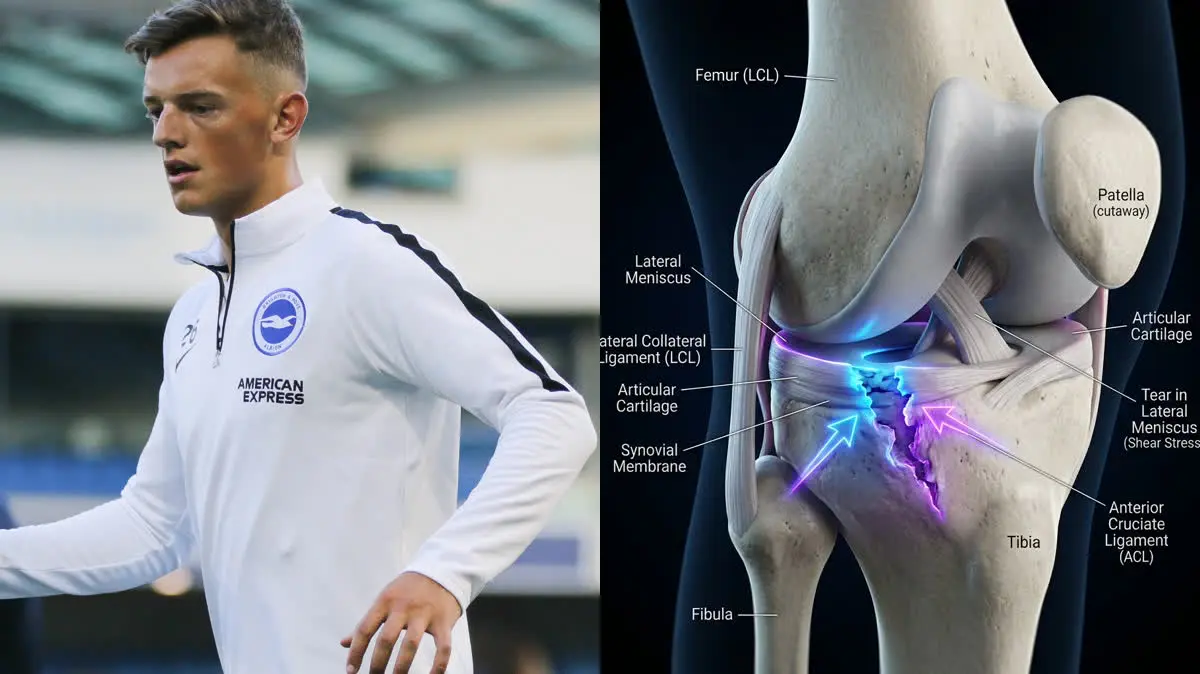
8 min readBen White's Severe Knee Injury: A Biomechanical Analysis of Lateral Meniscus Shear and Joint Longevity
8 min readElly De La Cruz's Hamstring Strain: The Biomechanics of Sprint Deceleration
8 min readTotal Knee Replacement (TKR): Post-Op Protocols for Restoring Extension
9 min readWeekly Wellness
Don't miss the next guide
Join 5,000+ subscribers getting holistic health tips every Tuesday.
Related Healing Guides
View All Guides →
George Washington's Fatal Bloodletting: An Ayurvedic Reconstruction of Rakta Dhatu Depletion and Ojas Collapse
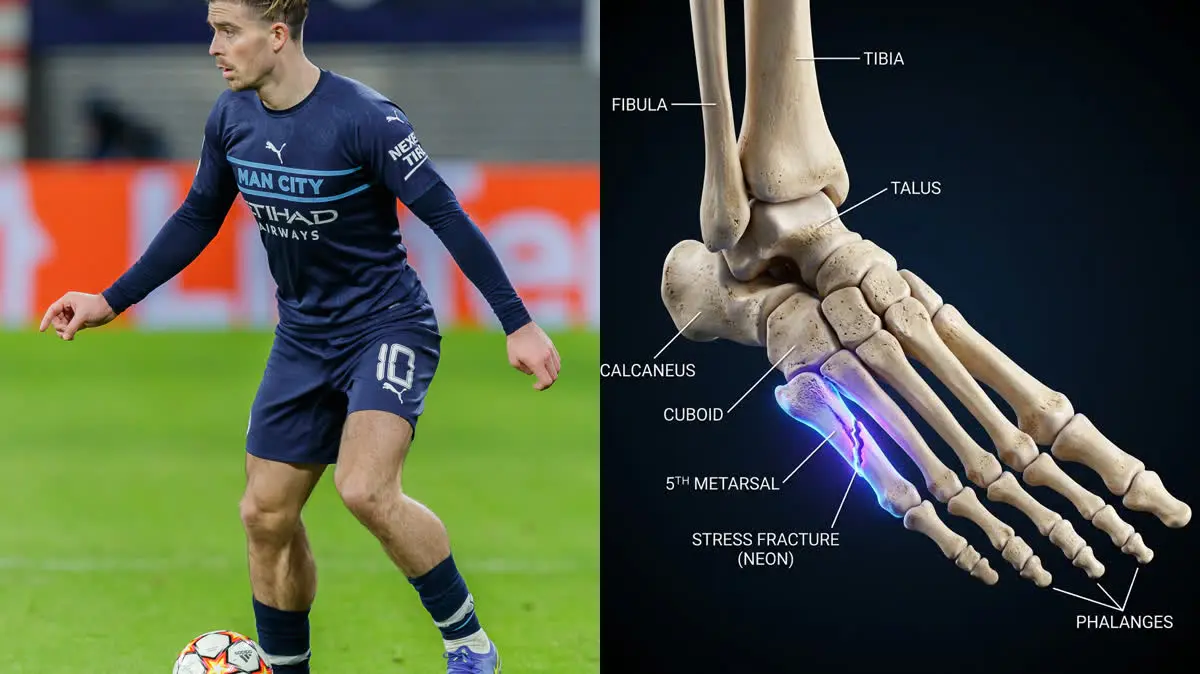
Jack Grealish's stress fracture of the foot: Soccer Biomechanics, Fifth Metatarsal Load, and Surgical Rehab