Spondylolisthesis: Safe Core Exercises vs. Movements to Avoid
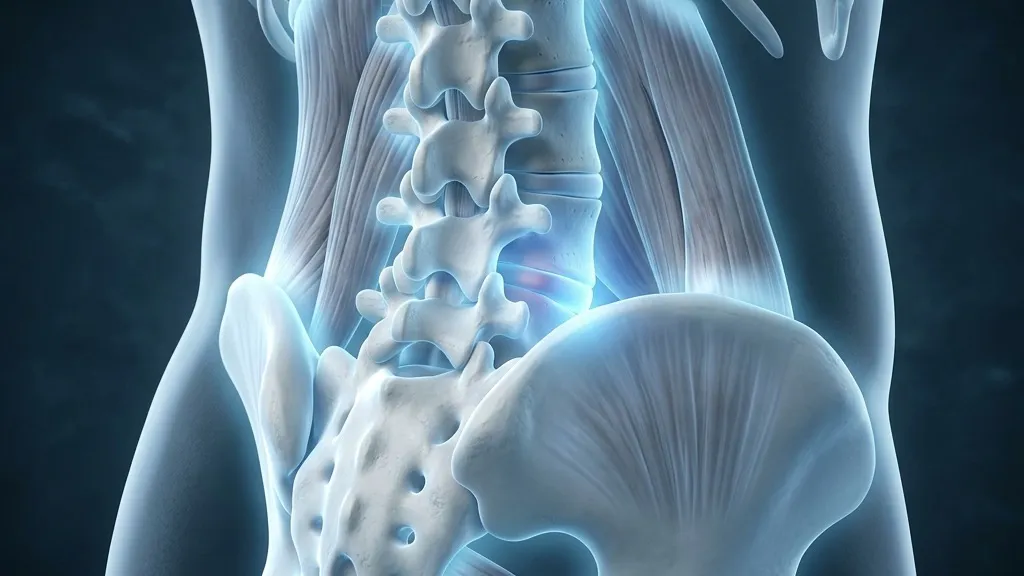
"Think of your lumbar spine like a perfectly stacked pile of heavy bricks. If one brick slides forward out of alignment, it doesn't just threaten the stack—it pinches the electrical wiring running right behind it."
Receiving a diagnosis of spondylolisthesis can feel incredibly overwhelming. You might have gone to your doctor complaining of chronic lower back stiffness, only to view your X-ray and see one of your lower vertebrae physically hanging over the one beneath it.
Most active individuals are immediately terrified of this visual representation. The structural vulnerability makes you believe that your back is a fragile, unstable deck of cards ready to collapse under the slightest physical load.
Consequently, you might completely stop exercising, fearing that any physical movement will cause the bone to slip further. Or worse, you might blindly follow generic workout routines online, executing deep spinal stretches that actually intensify the forward slippage.
The cold clinical truth is that spondylolisthesis does not dictate a life of physical fragility. In fact, building muscular armour around that specific segment can make your spine remarkably resilient. To achieve that, however, you must understand the strict clinical boundary between spondylolisthesis safe core exercises and the dangerous movements to avoid with spondylolisthesis.
The Pathophysiology: Forward Shear and Neural Compression
Spondylolisthesis refers to the translation—typically anterior or forward—of one vertebral body over the adjacent vertebra below it. This most frequently occurs at the L5-S1 junction, where the mechanical shear force of gravity is at its absolute peak.
There are two primary classifications that we encounter in clinical rehabilitation. Isthmic spondylolisthesis, which often develops in youth from repetitive hyperextension, is driven by a structural defect in the pars interarticularis. Degenerative spondylolisthesis, more common in adults over 50, stems from localized arthritic laxity in the facet joints and disc desiccation.
Regardless of the underlying cause, the mechanical result is the same: an increased "shear angle" that forces the spinal segment to lean forward. As the bone slides, it physically narrows the spinal canal, leading to lower back slippage treatment needs to address both bone alignment and neural space conservation.
My bold and decisive clinical opinion is that blindly performing lumbar extension exercises—such as Cobra poses or Superman back arches—is the absolute worst thing you can do for an active spondylolisthesis. While extensions are fantastic for disc herniations, they force your facets to jam together, driving the slipped vertebra even further forward into the spinal canal.
Clinical research measurements demonstrate that Grade 1 slips (less than 25% slippage) have an astonishing 85% to 90% success rate with conservative physical therapy. However, failing to avoid hyper-extension can easily push a stable Grade 1 slip into a highly unstable Grade 2 or 3 pathology, rapidly requiring surgical fusion.
Furthermore, anatomical biomechanical load studies reveal that hyperextending the lumbar spine increases the mechanical shear stress on the pars interarticularis by up to 300%, completely hindering the body's ability to dynamically stabilize the segment.
Why Standard Sit-ups are Overstressing Your Slipped Segment
Many patients believe that the best way to treat spinal instability is to aggressively build a "six-pack" by doing high-repetition sit-ups, traditional crunches, or aggressive leg raises.
This approach is structurally flawed. When you perform a standard sit-up, your rectus abdominis and deep hip flexors contract fiercely, pulling your lower pelvis into an anterior tilt. This anterior tilt actually increases the lumbar lordosis (arch), translating to an immediate increase in the forward shear force pulling on your L5 vertebra.
To stabilize this condition, we must focus on lumbar flexion rehab and isometric anti-extension control. By training the deep core to resist motion rather than create it, you effectively build a biological girdle that hugs the spine and arrests the slippage.
Understanding the foundational mechanics of how robust core stability prevents recurrent lower back injuries is highly critical for managing structural instability safely.
The Patient: Robert, a 49-year-old carpenter, was diagnosed with a Grade 1 degenerative spondylolisthesis at L4-L5. He was suffering from severe backaches and aching calves after standing for more than 20 minutes.
The Mistake: Robert attempted to stretch his stiffness away by performing back bends and standing toe touches, which only amplified his aching calf pain and led to morning immobility.
The Solution: We eliminated all lumbar extension stretches, introduced progressive posterior pelvic tilting drills, and taught him how to maintain a neutral-to-slightly-flexed spine during heavy lifting.
The Outcome: Within 6 weeks, Robert's standing endurance doubled. Within 12 weeks, he reported a 90% reduction in radiating leg symptoms and was fully back on the job site with zero mechanical pain.
Three Clinical Exercises to Lock In Deep Spinal Stability
To permanently arrest forward vertebral slippage, you must master the art of deep core bracing while maintaining a stable pelvic posture. Follow this precise, step-by-step progression:
-
1Posterior Pelvic Tilts (Foundational Alignment) Lie on your back with your knees bent. Gently contract your lower abdominals, flattening your lower back completely into the floor by rotating your tailbone upward toward the ceiling. Hold this isometric squeeze for 10 seconds, breathing normally throughout. Perform 12 repetitions. This flexion-biased position opens the neural exit canals and stabilizes the facet joints.
-
2The Dead Bug (Anti-Extension Training) Maintain that posterior pelvic tilt, keeping your lower back pressed firmly into the ground. Raise both arms toward the ceiling and bring your knees to a 90-degree tabletop position. Slowly lower your right arm overhead while extending your left leg toward the floor, stopping just before your lower back begins to arch off the ground. Return to center and switch. Perform 3 sets of 8 repetitions per side.
-
3Modified Forearm Planks (Bracing Endurance) Assume a plank position, but support your weight on your knees and forearms rather than your toes. Focus intently on squeezing your glutes and pulling your ribs down toward your pelvis to create a slightly rounded (flat) lower back. Do not let your stomach sag toward the floor. Hold for 20 to 30 seconds, emphasizing absolute core tension. Perform 4 sets.
Embrace Clinical Precision Over Generic Movement
A slipped vertebra is not a life sentence for chronic pain—it is simply a mechanical call for superior muscular stabilization. By discarding aggressive extensions and dedicating yourself to precise anti-extension bracing, you give your nervous system the safe environment it needs to calm down. Are you ready to ditch the generic stretches and build the clinical stability your spine truly needs today?
Irushi Abeywardhana
Senior Physiotherapist & Founder of Physio Pulse. Senior Clinical Physiotherapist passionate about blending advanced movement science with functional resilience.
Medical Disclaimer
The information provided by AyurPhysio is for general educational and informational purposes only. It is not intended as a substitute for professional medical advice, diagnosis, or treatment. Always seek the advice of your physician or other qualified health providers with any questions you may have regarding a medical condition. Never disregard professional medical advice or delay in seeking it because of something you have read on this website.
Trending Guides
Clinical Audit: The Best Knee Unloader Braces for Osteoarthritis & Joint Compartment Unloading (2026 Ratings)
10 min readUsain Bolt's Elite Sprinting with Scoliosis: A Biomechanical Breakdown of Asymmetrical Kinetic Chain Compensation and Hamstring Strain Risk
8 min readRetrolisthesis: Understanding Posterior Vertebral Slippage and Rehab
6 min readQuadratus Lumborum Trigger Points: The Secret Driver of Deep Hip Pain
7 min readNerve Flossing Techniques for Sciatic Nerve Mobilization
6 min readWeekly Wellness
Don't miss the next guide
Join 5,000+ subscribers getting holistic health tips every Tuesday.
Related Healing Guides
View All Guides →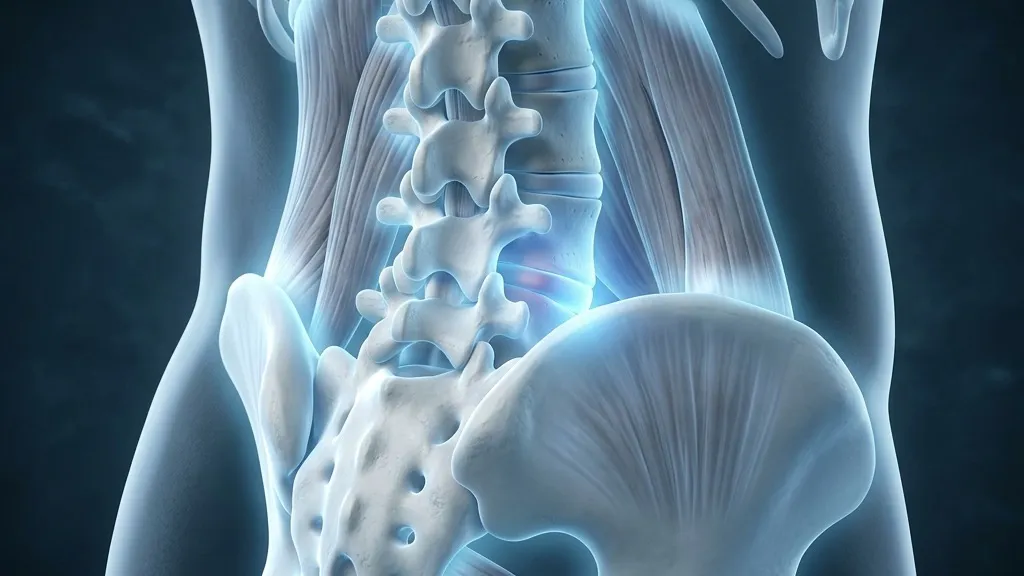
Retrolisthesis: Understanding Posterior Vertebral Slippage and Rehab
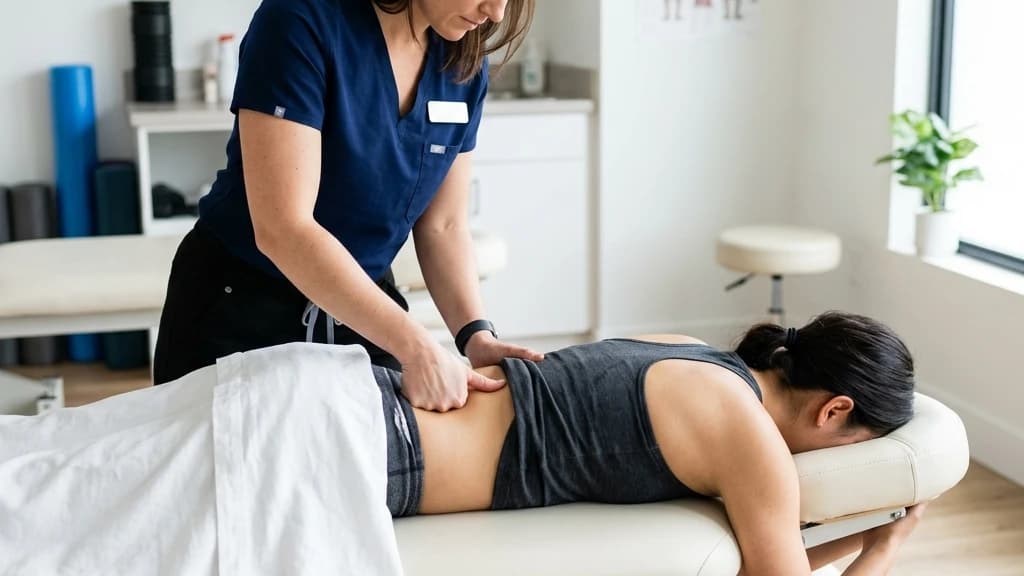
Quadratus Lumborum Trigger Points: The Secret Driver of Deep Hip Pain