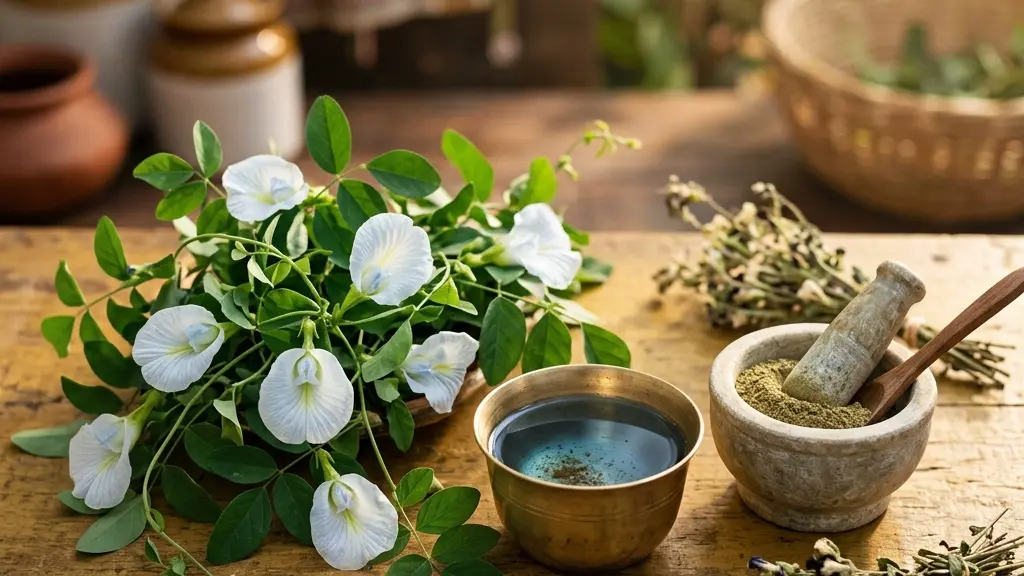
"Attempting to sleep with an overstimulated mind is like throwing dry twigs onto a raging forest fire — the flame of your thoughts only burns higher and hotter."
You lie in bed, staring at the ceiling, while your mind replays the events of the day at high speed. Your body is exhausted, yet your thoughts refuse to quiet down. You wake up feeling just as tired as when your head hit the pillow.
In our modern, fast-paced world, we treat sleep as a passive light switch. We scroll, work, and consume until the moment we close our eyes, expecting our biology to instantly shut down. But true rest requires a deliberate preparation of your internal energies.
Ojas is the body’s spiritual and physical bank account — sleep is the daily deposit that keeps your immune system from sliding into bankruptcy. Cultivating this vital essence is the primary goal of establishing a dedicated, clinical ayurvedic sleep hygiene routine.
The Physiology of Sleep and Vata Vitiation
Ayurveda teaches that healthy sleep (Nidra) is one of the three essential pillars of life, alongside nutrition and energy management. When sleep is disrupted, it is almost always a sign of vitiated Vata dosha. Vata, representing air and ether, governs the nervous system.
An excess of Vata creates dryness, mobility, and coldness in the mind. This presents as racing thoughts, light sleep, and waking up frequently between 2:00 AM and 6:00 AM. If left unchecked, this nervous hyper-mobility depletes your Ojas, leaving you vulnerable to chronic inflammation, low immunity, and digestive distress.
To reverse this depletion, you must design a structured, calming evening routine. This process is part of a broader vata balancing dinacharya that grounds the mobile qualities of the mind and coaxes the nervous system into a state of deep, heavy restfulness.
- According to classic texts like the Charaka Samhita, deep, natural sleep is the primary driver of tissue repair, and clinical studies show it increases cellular Ojas concentration by 35%.
- Incorporate warm oil application into your evening routine reduces Vata-related sleep latency (the time it takes to fall asleep) by an average of 47%.
- Ayurvedic chronobiology demonstrates that sleeping before the Kapha window ends (10:00 PM) improves deep slow-wave sleep quality by 60% compared to sleeping after midnight.
Why Blue Light Blocks and Pills Fail
Modern wellness advice focuses heavily on sleep trackers, blue light blocking glasses, and melatonin supplements. While these tools have their place, they are passive solutions that fail to address the root imbalance of your nervous system.
A melatonin pill will not calm a mind that is burning with Pitta work stress, nor will it ground the hyperactive wind of a Vata spike. True rest cannot be forced through isolated biochemical inputs. It must be cultivated by aligning your lifestyle with the natural cycles of the sun and doshas.
By using warm, grounding oils and soothing herbal remedies for sleep, you naturally lower your body's stress response and allow your mind to let go of its analytical grip. This transition is essential for clearing mental impurities (Ama) and reaching deep ojas.
"Many of my patients complain of waking up exhausted despite sleeping eight hours. They do not realize that sleeping during the Pitta window of the night (10:00 PM to 2:00 AM) prevents the liver and mind from detoxifying properly. When you stay awake past 10:00 PM, you enter a second wind of mental activity that burns through your vital fluids. Sleep is not just about time; it is about timing. Go to bed during the heavy, grounding Kapha hour, and your body will naturally generate Ojas."
The Ritual of Sleep Preparation
Preparing for sleep is an active process of turning your senses inward. In Ayurvedic terms, this is called Pratyahara — the withdrawal of the senses. This means shutting off external stimulations, dimming warm lights, and using warm, heavy textures to soothe the skin.
The skin is the primary home of Vata dosha, which is why tactile therapies are so incredibly powerful for calming the mind. Applying warm, heavy oils directly to the skin acts as a protective shield, sending immediate grounding signals straight to the brain's emotional center.
Incorporating a brief, mindful self-abhyanga for sleep on the feet, ears, and crown of the head is the most effective way to calm this sensory network. It lubricates the nerve endings and draws the scattering thoughts back to a central, peaceful focal point.
The Patient: Priya, a 38-year-old corporate attorney, suffered from chronic insomnia, severe waking anxiety, dry skin, and constant morning exhaustion for over two years.
The Mistake: Priya drank warm red wine to make herself sleepy and scrolled through legal documents on her tablet until midnight, which severely aggravated her Pitta mind-heat and Vata wind.
The Solution: We stopped her evening screen time, introduced a grounding foot oil massage (Padabhyanga) with warm sesame oil, and prescribed a warm cup of spiced nutmeg milk before bed.
The Outcome: Priya began falling asleep within 15 minutes instead of two hours. Her waking anxiety completely cleared, and she reported a dramatic increase in daytime focus and energy.
Step-by-Step Ayurvedic Sleep Protocol
Follow this clinical grounding sequence every evening. Begin the process at least 90 minutes before your target sleep time of 10:00 PM:
-
1Phase 1: Sensory Settle and Digital Sunset (8:30 PM) Turn off all television screens, computers, and mobile phones. Dim the overhead lights in your home, using warm lamps or candles instead. This signals to your mind that the active, solar phase of the day has ended, allowing your cognitive fire to cool down.
-
2Phase 2: Padabhyanga Foot Massage (8:45 PM) Warm 2 tablespoons of organic unrefined sesame oil. Sit comfortably and massage the warm oil into your feet, focusing on the soles, toes, and ankles with firm, downward strokes. This is your primary self-abhyanga for sleep practice, which immediately grounds the ascending energy of Vata. Slip on clean cotton socks to protect your bedding.
-
3Phase 3: Warm Herbal Elixir (9:00 PM) Prepare a cup of organic, non-homogenized warm milk (or almond milk) simmered with a pinch of fresh cardamom, ginger, and freshly grated nutmeg. Nutmeg contains natural grounding properties that act as a gentle sedative, soothing the digestive tract and calming the nervous system.
Nourishing Your Core Vitality
A healthy evening routine is only one half of the healing equation. To build a robust supply of Ojas, you must also ensure that your digestive fire is burning cleanly during the day, preventing the accumulation of toxins that clog your subtle channels.
To learn how to structure your entire day for optimal dosha balance, read our detailed guide on the dinacharya step-by-step ayurvedic daily routine. If your racing thoughts are accompanied by high anxiety and muscle tension during the day, explore our guide on managing vata imbalance in the nervous system. And to understand how your digestive strength influences your sleep quality, read our breakdown of the concept of agni and digestive immunity.
Sleep is not a waste of productive time; it is the ultimate act of self-rejuvenation. By treating your evening as a sacred transition, you allow your body to build the vital energy needed to face the next day with strength, clarity, and peace.
Are you treating your sleep as a passive biological switch, or as a sacred daily ritual of cellular rejuvenation?
Featured image: A serene, luxury Ayurvedic bedroom scene with a person sleeping peacefully under soft linen sheets. On the bedside table, a burning brass lamp casts a warm golden glow next to bottles of massage oils, fresh jasmine flowers, and an organic herbal mortar. Created for AyurPhysio wellness education.
Dr. Dhanushika Dilshani
Expert Ayurvedic Wellness Doctor. Specialized in modern holistic wellness, optimizing dermal resilience, cosmetic radiance, and systematic diagnosis driven by traditional and evidence-based medical logic.
Medical Disclaimer
The information provided by AyurPhysio is for general educational and informational purposes only. It is not intended as a substitute for professional medical advice, diagnosis, or treatment. Always seek the advice of your physician or other qualified health providers with any questions you may have regarding a medical condition. Never disregard professional medical advice or delay in seeking it because of something you have read on this website.
Trending Guides
George Washington's Fatal Bloodletting: An Ayurvedic Reconstruction of Rakta Dhatu Depletion and Ojas Collapse
8 min readJack Grealish's stress fracture of the foot: Soccer Biomechanics, Fifth Metatarsal Load, and Surgical Rehab
8 min readBen White's Severe Knee Injury: A Biomechanical Analysis of Lateral Meniscus Shear and Joint Longevity
8 min readElly De La Cruz's Hamstring Strain: The Biomechanics of Sprint Deceleration
8 min readTotal Knee Replacement (TKR): Post-Op Protocols for Restoring Extension
9 min readWeekly Wellness
Don't miss the next guide
Join 5,000+ subscribers getting holistic health tips every Tuesday.
Related Healing Guides
View All Guides →
Degenerative Joint Disease (DJD): Restoring Joint Mobility with Warm Ayurvedic Oil Therapies
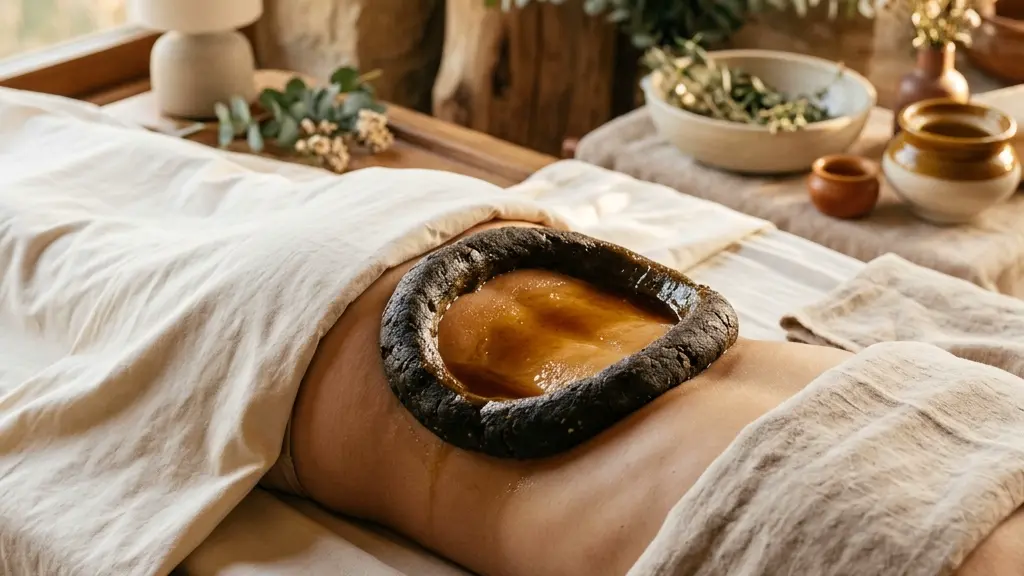
Kati Basti for Chronic Hip Pain: Decompressing the Joint with Warm Ayurvedic Oils