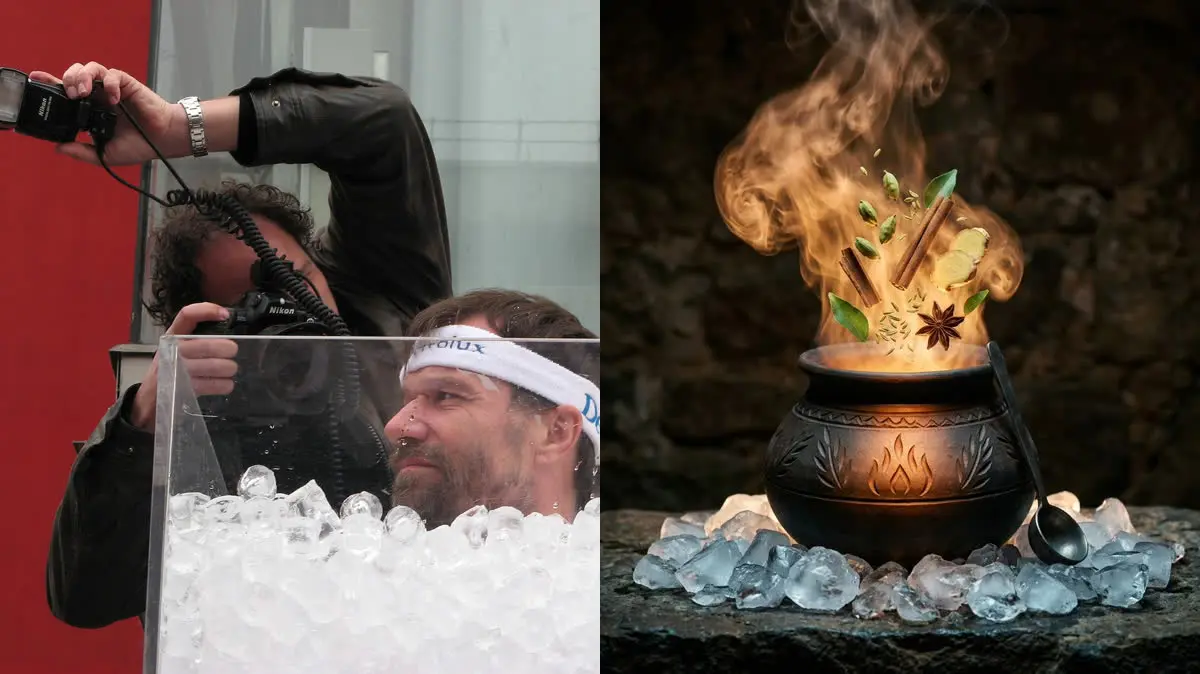
"Pouring ice-cold water on your body to build health is like trying to keep a campfire burning by dumping a bucket of ice on it. It might numb the embers, but it will eventually extinguish the flame entirely."
In the modern wellness landscape, few practices have achieved the viral status of cold plunge therapy. Popularized by figures like Wim Hof, ice baths are celebrated as a miracle cure for inflammation, fatigue, and systemic stress. From fitness enthusiasts to wellness influencers, thousands of people are jumping into freezing water daily to optimize their health.
But this extreme cold exposure comes at a heavy internal cost. While numbing your body with ice can temporarily dull pain and trigger an adrenaline rush, it also severely constricts your vital channels and slows metabolic processes. Over time, this forces your digestive system to freeze, leading to chronic bloating and joint stiffness.
To evaluate if cold plunge therapy is suitable for you, you must consider the Ayurvedic science of protecting digestive fire (Agni). This guide breaks down the biological consequences of extreme cold and offers a traditional clinical perspective.
Why Extreme Cold Exposure Suppresses Digestive Vitality
Ayurveda views the human body through the lens of thermal energy and the flow of bio-elements. Your digestive fire, or Agni, resides in the stomach and controls all metabolic transformation and nutrient absorption. When the skin is exposed to extreme cold, the body pulls its heat inward to protect vital organs, temporarily extinguishing Agni.
Cold and dry qualities are the exact attributes of Vata dosha. Immersing your body in freezing water shocks the nervous system, slows down the bowel transit time, and creates systemic dryness. If this cold exposure is repeated daily, it eventually exhausts your internal heat reserves, causing chronic stiffness and sluggish digestion.
Furthermore, the sudden drop in temperature constricts the bodily channels (Srotas), trapping metabolic wastes (Ama) in the tissues. While cold temporarily numbs pain, it solidifies Ama in the joints, making them dry and brittle. For individuals with existing joint tightness or Vata imbalances, this cold-induced constriction worsens stiffness over time.
"Daily cold plunging is highly damaging to the digestive system and Vata Dosha. Immersing yourself in ice water shocks the nervous system, slows down bowel transit time, and freezes Agni. Instead of ice, we should prioritize warm, circulating therapies like Abhyanga to nourish the tissues, calm Vata, and promote natural circulation."
Comparing Cold Exposure and Ayurvedic Warmth
To protect your internal balance, it is crucial to choose recovery methods that align with your body type (Prakriti) and the seasons:
- 1Kindling Your Internal AgniAvoid drinking cold water or cold plunging within two hours of eating. If you expose yourself to cold, always follow it with a warm cup of ginger tea or hot water to help kindle your Agni and restore your core temperature. This simple habit prevents coldness from settling into your digestive tract.
- 2Restoring Parasympathetic BalanceThe sudden gasp reflex in freezing water represents a massive spike in Vata nervous activity. Chronic shock can exhaust the adrenal glands, leading to physical burnout. Grounding routines, such as warm oil application to the feet, activate the parasympathetic system, promoting deep sleep.
- 3Choosing Warmth for Chronic StiffnessFor chronic joint stiffness or muscle pain, warm medicated oil therapies are far superior to cold immersion. Medicated oils like Mahanarayan taila penetrate deep into the joints to soothe the dry Vata. Warmth relaxes the guarding muscles, encouraging the natural release of tension.
Balancing Your Daily Recovery
Wellness is not about chasing extreme trends, but about listening to the body's need for thermal balance. Daily ice baths are a high-risk habit that can deplete your vital reserve over time. Instead, prioritize warm, cooked, spiced foods, grounding self-massages, and gentle movements to keep your tissues nourished, your joints lubricated, and your digestive fire bright.
For complementary digestive guides, read our clinical breakdown of the concept of Agni and our article on managing Vata imbalance. To learn how warm oils protect joint spaces, see our guide on Ayurvedic oils for pain to balance your tissues naturally.
Featured image attribution: "Wim Hof" licensed under Public Domain. Modified by cropping and compositing.
Dr. Dhanushika Dilshani
Expert Ayurvedic Wellness Doctor. Specialized in modern holistic wellness, optimizing dermal resilience, cosmetic radiance, and systematic diagnosis driven by traditional and evidence-based medical logic.
Medical Disclaimer
The information provided by AyurPhysio is for general educational and informational purposes only. It is not intended as a substitute for professional medical advice, diagnosis, or treatment. Always seek the advice of your physician or other qualified health providers with any questions you may have regarding a medical condition. Never disregard professional medical advice or delay in seeking it because of something you have read on this website.
Trending Guides
George Washington's Fatal Bloodletting: An Ayurvedic Reconstruction of Rakta Dhatu Depletion and Ojas Collapse
8 min readJack Grealish's stress fracture of the foot: Soccer Biomechanics, Fifth Metatarsal Load, and Surgical Rehab
8 min readBen White's Severe Knee Injury: A Biomechanical Analysis of Lateral Meniscus Shear and Joint Longevity
8 min readElly De La Cruz's Hamstring Strain: The Biomechanics of Sprint Deceleration
8 min readTotal Knee Replacement (TKR): Post-Op Protocols for Restoring Extension
9 min readWeekly Wellness
Don't miss the next guide
Join 5,000+ subscribers getting holistic health tips every Tuesday.
Related Healing Guides
View All Guides →
George Washington's Fatal Bloodletting: An Ayurvedic Reconstruction of Rakta Dhatu Depletion and Ojas Collapse

Jack Grealish's stress fracture of the foot: Soccer Biomechanics, Fifth Metatarsal Load, and Surgical Rehab