Postural Kyphosis vs. Structural Kyphosis: Assessment and Rehab Protocols
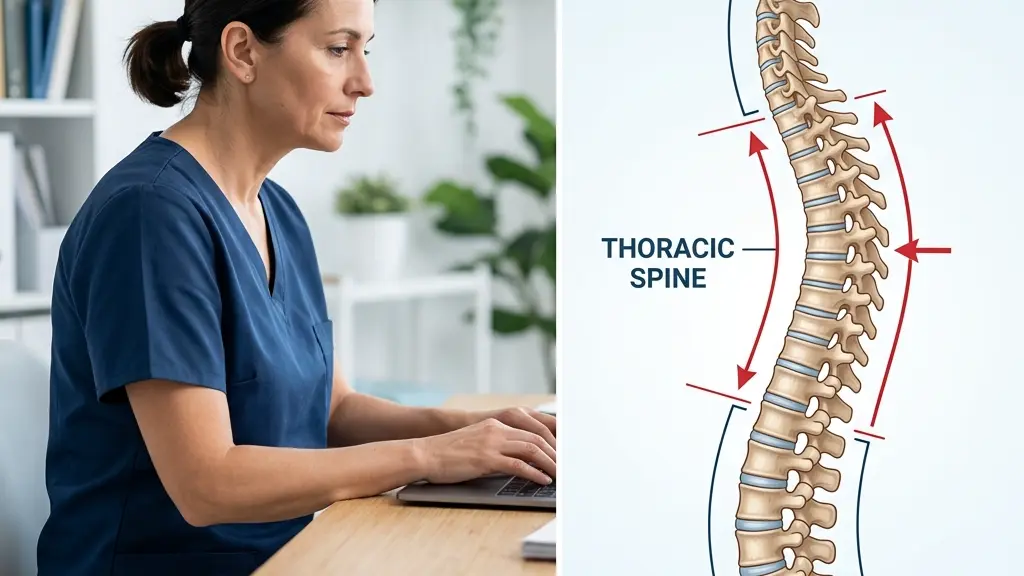
“A spine that bends gracefully adapts to the world; a spine locked in a permanent forward hunch traps the entire kinetic chain in defense. Freedom begins by recognizing whether the limit is in your mind, your muscles, or your skeletal infrastructure.”
Looking in the mirror and seeing a prominent rounded bump at the base of your neck triggers instant aesthetic dread. But beyond vanity, that stubborn thoracic hunch slowly strangles lung capacity and cascades crushing mechanical stress directly into your lower lumbar discs.
Many assume their forward-curving back is purely the consequence of lazy desk posture—what we label Postural Kyphosis. Yet for others, the curve is hardcoded into the literal bone wedges of their spine, known as Structural Kyphosis (often diagnosed as Scheuermann's Disease).
Failing to distinguish between the two means you might be forcefully attempting to stretch a fused bone mass, resulting in severe acute injury. Understanding the clinical nuance of postural kyphosis vs structural kyphosis is the only safe way to begin your path back to alignment.
The Adams Forward Bend Test: Are You Locked or Lazy?
Before attempting any hunchback correction exercise, we must establish structural versus functional fixity. Stand up straight and have a partner watch you from the side. Now, slowly roll your chin to your chest and attempt to touch your toes.
In postural kyphosis, the thoracic curve smooths out effortlessly as the spine unfolds during flexion. However, in structural cases, the angular sharpness of the "bump" persists stubbornly even at the bottom of the movement range.
But most people miss the hidden catalyst for this inflammation. They purely obsess over the upper back, completely ignoring that a massive 70% of chronic thoracic restriction originates from tight pec-minor muscles pulling the shoulder girdles inward and downward like anchor ropes.
The Dangerous Myth of "Just Stand Up Straight"
Telling a patient with hyperkyphosis to simply "pull their shoulders back" is clinically reckless. Without first activating the serratus anterior and releasing the subclavius, you are merely jamming the scapula into the rib cage. True thoracic spine rehabilitation requires active isometric mobilization before static posture can ever hold naturally.
If you find yourself chronically slumping at a desk, you are likely suffering from a prolonged postural adaptation. This mirrors similar degenerative mechanisms seen in understanding text neck syndrome, where forward head drift magnifies weight stress by 300%.
Three Tiered Protocols for Kyphosis Management
Depending on the rigidity of your curve, successful treatment requires specific biomechanical resets. You cannot force a bone wedge back into shape, but you can dramatically remodel the tissues surrounding it.
- Step 1: Foam Roller Extension Fulcrums: Lie flat with a high-density foam roller horizontal across the apex of your hunch. Interlace your fingers behind your neck and let gravity gently extend your upper back backward. Repeat 5 slow breaths over 3 separate vertebral segments to regain facet mobility.
- Step 2: Lower Trapezius Face-Pull Activations: Anchor a resistance band at forehead height. Pull toward your face while keeping your elbows high and actively squeezing your mid-back blade muscles together. This strengthens the exact anti-slump drivers needed to hold upright posture.
- Step 3: Thoracic Rotation Windmills: Lie on your side with top knee pinned to the ground by your hand. Open the other arm across your body like a book to the opposite floor. Rotation inherently demands extension, forcing the locked facets to release their protective guarding grip.
👤 Patient Spotlight: Marcus, The Software Engineer
The Patient: Marcus, 42, presented with a 55-degree thoracic curve and chronic dull ache in the mid-back after typing for more than 30 minutes.
The Mistake: He bought a "posture strap" that pulled his shoulders back aggressively, causing his rear deltoids to deactivate further and aggravating his cervical nerve tension.
The Solution: We combined consistent pec minor doorway stretching with weighted floor-based cobra activations to strengthen the intrinsic spinal extensors.
The Outcome: Within 6 weeks, the visual angle of his posture reduced visually and his persistent mid-back fatigue evaporated entirely.
Integrating Mid-Back Support
Clinical rehab handles the mechanical scaffolding, but integrating targeted movements boosts recovery rates significantly. Learn how progressive exercises reinforce these structural changes by exploring our guide on thoracic mobility exercises.
Your thoracic curve took years of gravity and daily habits to establish itself. Reversing it demands consistent, intelligence-led movement, not brute force. Are your bones structurally shaped to curve, or are your current daily habits just waiting for you to write a new physical story?
Irushi Abeywardhana
Senior Physiotherapist & Founder of Physio Pulse. Senior Clinical Physiotherapist passionate about blending advanced movement science with functional resilience.
Medical Disclaimer
The information provided by AyurPhysio is for general educational and informational purposes only. It is not intended as a substitute for professional medical advice, diagnosis, or treatment. Always seek the advice of your physician or other qualified health providers with any questions you may have regarding a medical condition. Never disregard professional medical advice or delay in seeking it because of something you have read on this website.
Trending Guides
George Washington's Fatal Bloodletting: An Ayurvedic Reconstruction of Rakta Dhatu Depletion and Ojas Collapse
8 min readJack Grealish's stress fracture of the foot: Soccer Biomechanics, Fifth Metatarsal Load, and Surgical Rehab
8 min readBen White's Severe Knee Injury: A Biomechanical Analysis of Lateral Meniscus Shear and Joint Longevity
8 min readElly De La Cruz's Hamstring Strain: The Biomechanics of Sprint Deceleration
8 min readTotal Knee Replacement (TKR): Post-Op Protocols for Restoring Extension
9 min readWeekly Wellness
Don't miss the next guide
Join 5,000+ subscribers getting holistic health tips every Tuesday.
Related Healing Guides
View All Guides →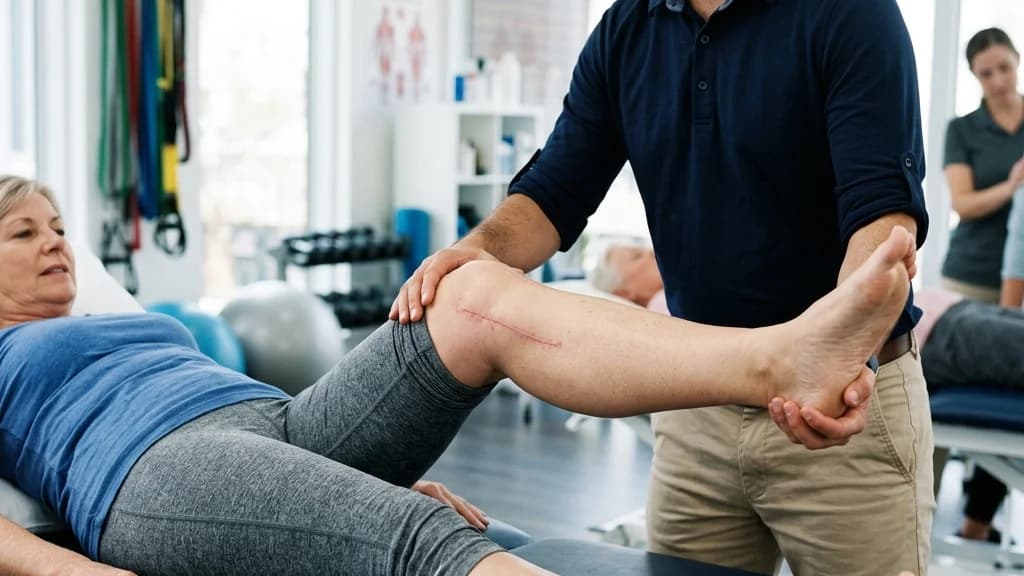
Total Knee Replacement (TKR): Post-Op Protocols for Restoring Extension
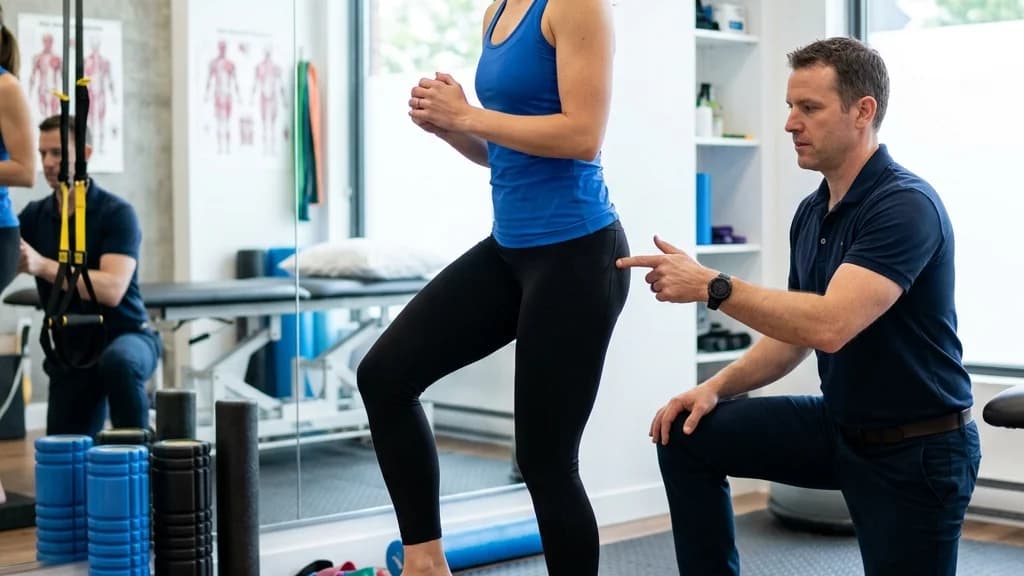
The Gluteus Medius Connection: Preventing Lumbar Compensation