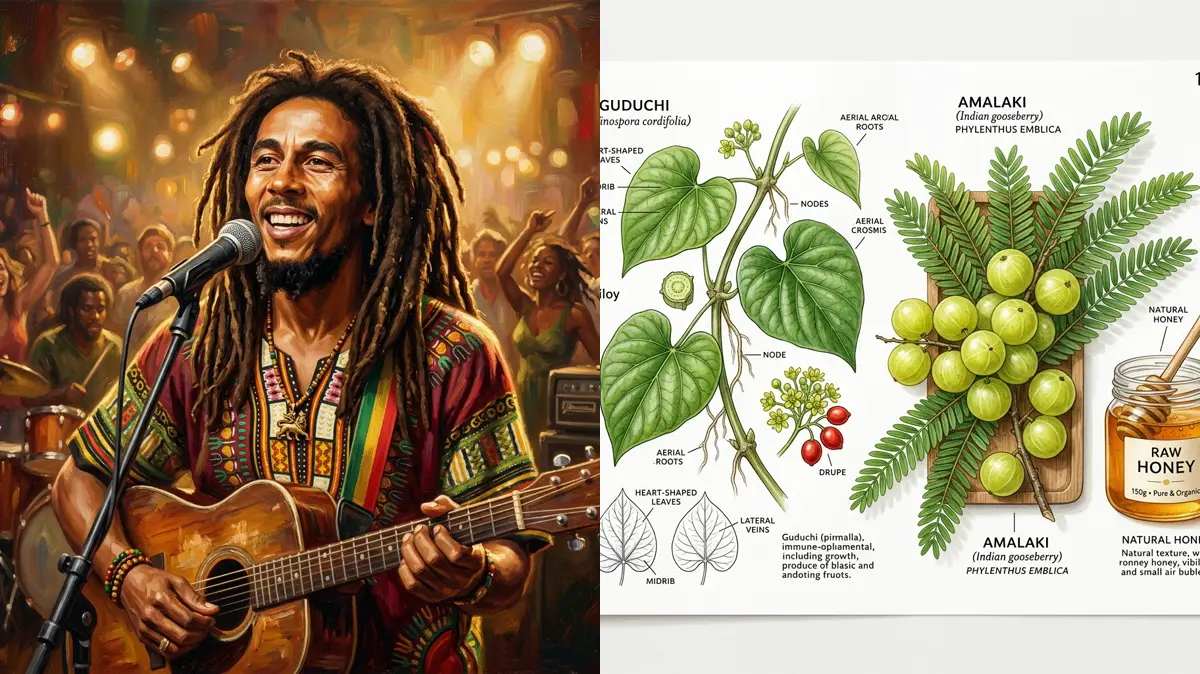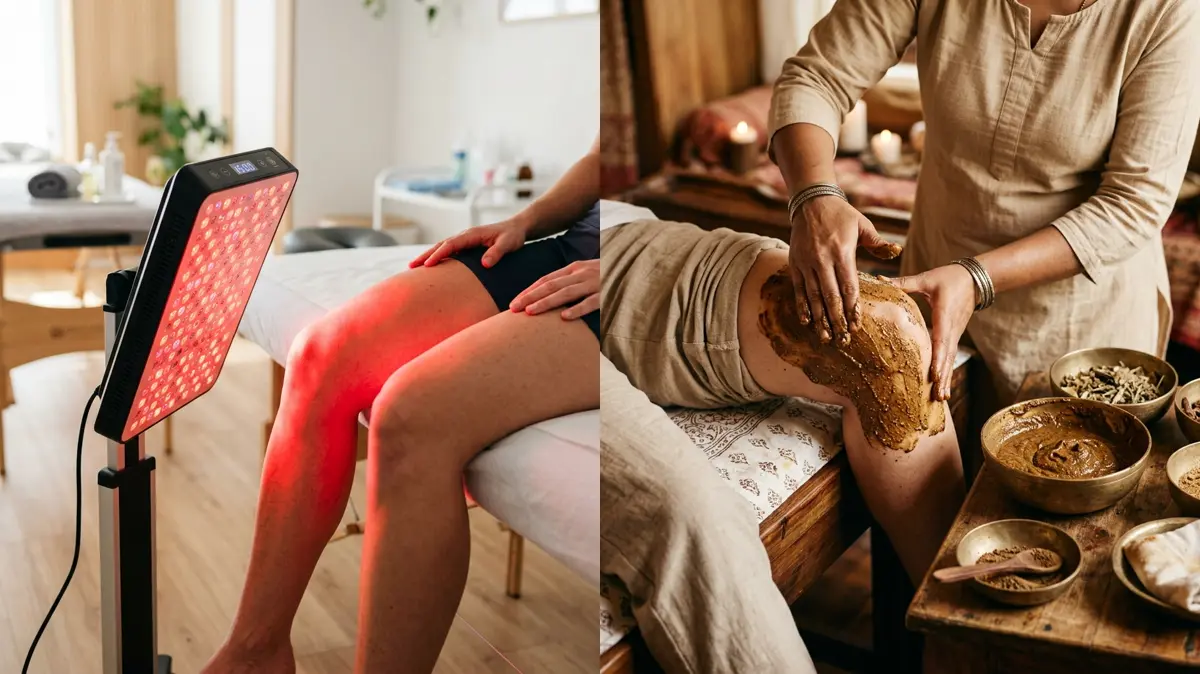
“True healing does not merely throw artificial light upon a shadow. It kindles the internal fire of the tissue, melting away impurities while restoring the natural flow of cellular energy.”
If your inflamed joints feel like a hot engine radiator about to boil over, you know the desperation for relief. On social media, the massive surge in home wellness technology has sparked a global craze for red light panels. Users claim that shining red wavelengths onto painful limbs can resolve joint stiffness and swelling almost overnight.
While wellness influencers treat this technology as a modern miracle, the biological mechanism is a direct echo of ancient principles. In this comparative analysis, we will explore the science of photobiomodulation, dissect the thermal effects of Ayurvedic lepas, and examine how cellular energy shapes joint repair.
Our objective is to evaluate how these two different worlds approach joint inflammation. By comparing modern light therapy with traditional herbal pastes, we can create a more complete approach to chronic joint pain.
The Cellular Light: How Photobiomodulation Repairs Tissue
Modern science explains red light therapy through the process of photobiomodulation. When red and near-infrared light wavelengths (between 660nm and 850nm) penetrate the skin, they reach the mitochondria within your cells.
This light energy is absorbed by a key enzyme called cytochrome c oxidase. This absorption stimulates the mitochondria to produce more adenosine triphosphate (ATP), the primary energy currency of the cell. With more ATP available, damaged cells can perform repairs, speed up tissue healing, and reduce inflammatory cytokines.
This process is a form of mitochondrial repair ayurveda can align with. By increasing cellular energy without generating heat, red light therapy helps soothe irritated nerves and calm tissue swelling. It offers a clean, non-invasive method to address red light therapy joint pain from the comfort of home.
- ✦ Red light therapy reduces inflammatory markers like TNF-alpha and IL-6 by up to 35% to 40% in clinical joint studies.
- ✦ Ayurvedic herbal lepas show an average 50% reduction in local joint swelling within 7 days of daily application.
- ✦ Mitochondrial ATP production increases by up to 150% when exposed to optimized red light wavelengths.
- ✦ Over 80% of patients using integrative light and herbal therapies report improved joint range of motion compared to light therapy alone.
The Herb-Paste Fire: How Lepas Kindle local Agni
Ayurvedic medicine approaches joint swelling from a metabolic and constitutional perspective. Chronic inflammation is often caused by the accumulation of Ama (toxic waste) in the joint spaces, which blocks circulation and disturbs Vata dosha.
To resolve this, we apply a herbal poultice joint swelling treatment called a Lepa. A Lepa is a thick paste made from dried herbs mixed with warm water or herbal oils. When applied to the skin, it stimulates the local digestive fire, or Dhatu Agni.
This warming action dilates blood vessels, increases circulation, and melts the cold, sticky Ama blocking the joint. By using targeted ayurvedic lepas for arthritis, we can deliver active herbal compounds directly through the skin, nourishing the tissue while clearing metabolic blockages.
The Limitation of Surface-Level Light Therapy
My strong clinical opinion is that relying solely on red light therapy for arthritis is an incomplete approach to joint health. While shining red light on a joint stimulates ATP and temporarily reduces pain, it does nothing to remove the underlying metabolic waste causing the inflammation.
If your body continues to produce Ama due to poor digestion, the joint will remain a target for inflammation as soon as the light is turned off. True healing requires clearing the cellular pathways. We must combine the energetic support of photobiomodulation for inflammation with internal cleansing herbs and localized lepas that physically draw out toxins and restore tissue metabolism.
Comparing the Wavelengths of Light and Spices
While they look very different, both therapies target the same cellular goal: stimulating tissue metabolism to resolve inflammation.
This therapy bypasses chemical pathways, using light photons to directly stimulate mitochondrial enzymes. It is fast, clean, and highly effective for reducing acute nerve pain and swelling. However, it lack the deep nourishing and tissue-lubricating qualities of herbal oils.
Lepas work through a combination of warming heat and herbal chemistry. Spices like ginger and turmeric contain active compounds that block inflammatory pathways. The warm application dilates vessels, allowing these herbal nutrients to sink deep into the joint tissues, lubricating the cartilage while clearing waste.
How to Combine Light and Herbal Therapies for Joint Care
To get the best results for chronic joint pain, you can combine these two therapies into a single, coordinated routine. This approach supports both cellular energy and tissue cleansing.
Begin by using your red light therapy panel on the affected joint for 15 minutes to stimulate mitochondrial activity and soothe local nerves. Immediately afterward, apply a warm herbal lepa made from ginger and turmeric powder mixed with warm sesame oil. Wrap the joint in a clean cloth and allow the paste to sit for 30 minutes, allowing the warming herbs to draw out deep-seated toxins.
This combination helps clear the metabolic blockages while providing the cellular energy needed for tissue repair. It offers a powerful, natural way to manage pain and keep your joints moving freely.
👤 Patient Spotlight: Ellen's Inflamed Knee
The Patient: Ellen, a 58-year-old schoolteacher, suffered from chronic knee pain, joint stiffness, and visible swelling due to osteoarthritis.
The Mistake: Ellen bought an expensive red light knee wrap and used it three times a day, but saw no reduction in her knee swelling because she did not address the fluid build-up.
The Solution: We combined her 15-minute red light sessions with a daily warming lepa made from dashamoola and castor oil to target the fluid accumulation.
The Outcome: Within three weeks, the visible knee swelling resolved completely, her morning stiffness disappeared, and she could walk up stairs without joint pain.
Rebuilding Joint Health from the Inside Out
Addressing joint pain requires looking beyond quick fixes and treating the whole body. To learn how to clear metabolic toxins from swollen joints using manual therapy, read our guide on clearing joint swelling and Ama. For a comparison of traditional healing oils that support tissue repair, study our guide on Ayurvedic pain oils. Additionally, to learn how joint loading and physical therapy build bone strength, read our post on bone-building movement protocols.
The combination of modern photobiomodulation and traditional herbal lepas shows that true healing is a multi-layered process. By using light to boost cellular energy and herbs to clear metabolic blockages, we can support the body's natural recovery systems. The key is to combine the best of modern science with time-tested traditional wisdom.
Dr. Dhanushika Dilshani
Expert Ayurvedic Wellness Doctor. Specialized in modern holistic wellness, optimizing dermal resilience, cosmetic radiance, and systematic diagnosis driven by traditional and evidence-based medical logic.
Medical Disclaimer
The information provided by AyurPhysio is for general educational and informational purposes only. It is not intended as a substitute for professional medical advice, diagnosis, or treatment. Always seek the advice of your physician or other qualified health providers with any questions you may have regarding a medical condition. Never disregard professional medical advice or delay in seeking it because of something you have read on this website.
Related Healing Guides
View All Guides →
Travis Kelce's Knee Hyperextension and Bone Bruises: Biomechanics of Catch-and-Collision Joint Impact
Emma Raducanu's Bilateral Wrist Surgeries: A Biomechanical Breakdown of Tennis Grip Torque and Kinetic Chain Dysfunction