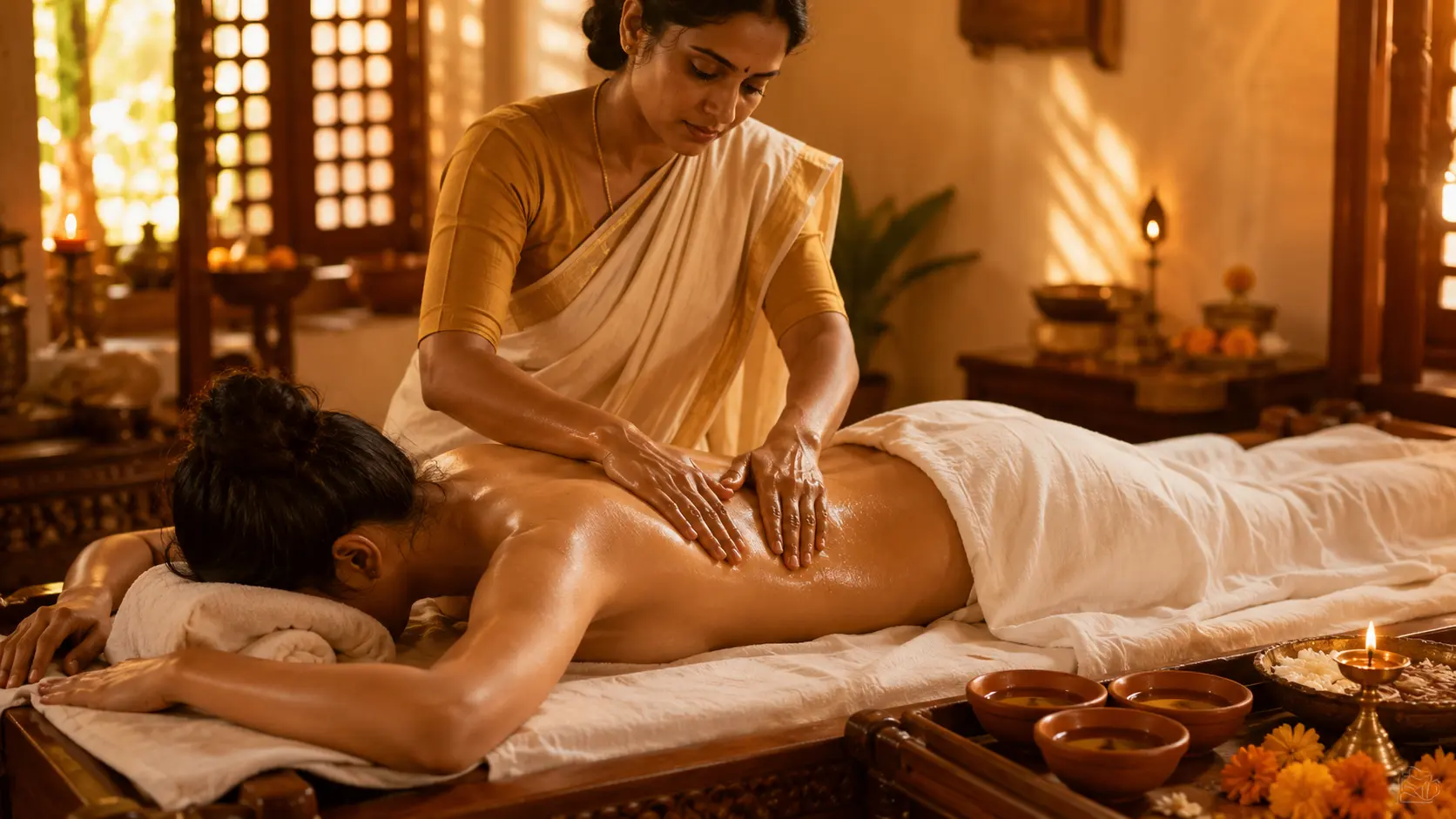
“Touch, in Ayurveda, is not merely physical contact — it is a sacred dialogue between the healer’s hands and the intelligence of the body, a conversation older than written medicine itself.”
Long before modern wellness retreats and spa menus, Ayurveda had already perfected the art and science of therapeutic touch. For over five thousand years, physicians trained in the classical texts of the Charaka Samhita and Sushruta Samhita prescribed specific massage protocols not as luxuries, but as clinical treatments — precise interventions for balancing the body’s three fundamental energies, or tridoshas: Vata, Pitta, and Kapha.
If you are searching for a way to truly relax your body — not just on the surface, but at the level of your nervous system, your tissues, and your mind — Ayurvedic massage offers something that no generic spa treatment can replicate. It addresses the root, not merely the symptom.
The Ancient Roots: Why Ayurveda Puts Massage at the Centre of Healing
Ayurveda, translated literally as the “science of life” (Ayur = life, Veda = knowledge), is not simply a collection of herbal remedies. It is a comprehensive philosophy of living that understands the body as a dynamic ecosystem governed by three bio-energetic forces. When these forces fall out of equilibrium — due to stress, poor diet, seasonal changes, or emotional strain — Ama (undigested toxins) accumulates in the tissues, blocking the flow of Prana (vital life force) and triggering disease.
Massage, known broadly as Snehana (oleation therapy), was identified by classical Ayurvedic physicians as one of the most powerful antidotes to this toxic accumulation. The word Snehana shares its Sanskrit root with Sneha, meaning both “oil” and “love” — a profoundly intentional linguistic choice that captures the essence of this healing modality.
Governs movement, circulation, and the nervous system. When aggravated: anxiety, restlessness, dry skin, insomnia.
Governs digestion, metabolism, and intelligence. When aggravated: inflammation, irritability, heat-related ailments.
Governs structure, stability, and immunity. When aggravated: lethargy, congestion, weight gain, attachment.
Every Ayurvedic massage technique is calibrated to address one or more of these constitutional imbalances, making it a personalised therapeutic tool rather than a generic relaxation treatment.
The Major Variations of Ayurvedic Massage
The Ayurvedic tradition encompasses a rich and sophisticated range of massage therapies, each with a distinct focus, methodology, and therapeutic indication. Here is your essential guide to the most transformative among them.
The cornerstone of Ayurvedic self-care — a deeply nourishing, full-body oil massage designed to calm the nervous system, lubricate the joints, and draw toxins to the surface of the skin for elimination.
A meditative therapy in which a continuous, warm stream of herbal oil is poured over the forehead (Ajna chakra), inducing profound mental stillness, alleviating chronic stress, and resetting the autonomic nervous system.
The gold standard of Ayurvedic detoxification — a comprehensive clinical regimen that uses specialised massage as the preparatory phase before deep purgative therapies that cleanse the organs at a cellular level.
An energetic bodywork modality that targets 107 vital energy junctions on the body — the Marma Sthanas — to clear energetic blockages, improve circulation, and restore the smooth flow of Prana through the body’s channels (Srotamsi).
Deep Dive: Understanding Each Therapy
1. Abhyanga — The Daily Act of Self-Love
Of all Ayurvedic massage forms, Abhyanga is the most intimate and the most accessible. The Ashtanga Hridayam, one of the three classical Ayurvedic texts, states that one who practices Abhyanga daily does not suffer from old age, fatigue, or Vata disorders — a claim that modern neuroscience is beginning to validate through research into the role of skin stimulation in regulating cortisol, serotonin, and the parasympathetic nervous system.
- Profoundly pacifies Vata dosha — the primary driver of anxiety, sleeplessness, and physical tension
- Deeply nourishes the seven Dhatus (body tissues): plasma, blood, muscle, fat, bone, marrow, and reproductive tissue
- Stimulates lymphatic drainage, accelerating the removal of Ama from deep tissue layers
- Softens, tones, and delays the aging of the skin through the penetration of fat-soluble herb-infused oils
- Improves sleep quality by activating the melatonin pathway through calming touch stimulation
- Enhances joint lubrication, reducing stiffness and pain associated with Vata-origin conditions
The choice of oil in Abhyanga is itself a clinical decision. Sesame oil (Tila taila), warm and heavy in quality, is the classical choice for Vata pacification. Coconut oil, cooling and light, is preferred for Pitta types. Mustard oil, penetrating and stimulating, is used for Kapha-dominant constitutions. Each oil is often further enhanced with herb infusions — long pepper, ashwagandha, bala, or dashamoola — to amplify the therapeutic effect.
2. Shirodhara — Silencing the Overactive Mind
The name Shirodhara is composed of two Sanskrit words: Shiro (head) and Dhara (stream or flow). In clinical practice, this therapy involves suspending a specially crafted copper or brass vessel above the patient’s forehead, from which warm medicated oil flows in an unbroken, rhythmic stream directly onto the Ajna Marma — the energetic centre located between the eyebrows.
Neurologically, the sustained tactile input from the oil stream is believed to modulate activity in the thalamus and hypothalamus, inducing a theta-wave dominant state in the brain — the same brainwave pattern associated with deep meditation, creative insight, and pre-sleep relaxation. Clinical studies conducted at various Ayurvedic research institutions in India have documented significant reductions in serum cortisol, anxiety scores, and systolic blood pressure following Shirodhara treatment courses.
3. Panchakarma — Cellular Renewal Through Systematic Detox
Panchakarma (literally “five actions”) is best understood not as a single massage but as a comprehensive clinical protocol in which massage plays the essential preparatory role. Before the five main cleansing procedures can be administered, the body must undergo Purvakarma — pre-treatment that includes both internal oleation (Snehapana, consumption of medicated ghee) and external oleation (Abhyanga) followed by steam therapy (Swedana).
This preparatory phase is critical: it liquefies the Ama embedded in the deeper tissue layers, channelling it back into the digestive tract (the koshtha) from which it can then be systematically eliminated through one of the five Panchakarma actions: Vamana (therapeutic emesis), Virechana (purgation), Basti (medicated enemas), Nasya (nasal administration), or Raktamokshana (bloodletting).
4. Marma Therapy — The Ayurvedic Acupressure
The Sushruta Samhita identifies 107 Marma Sthanas — precise anatomical junctions where muscles, veins, ligaments, bones, and joints converge, and at which Prana (vital life energy) is concentrated. Injury to a major Marma point was considered fatal or permanently disabling in classical surgery. In therapeutic practice, however, gentle, sustained pressure on these same points using the thumb or index finger — often combined with warm sesame or coconut oil — clears energetic stagnation, relieves local pain, and restores the flow of Prana Vayu through the body’s subtle channels.
Marma therapy bears a conceptual similarity to Traditional Chinese Medicine’s acupressure system, yet it operates within a distinctly Ayurvedic framework — addressing the five subdivisions of Vata (Prana, Udana, Samana, Vyana, Apana), each responsible for a different domain of physiological movement.
When Massage Becomes Medicine
In my two decades of clinical Ayurvedic practice, I have consistently observed that patients who present with chronic Vata disorders — anxiety, insomnia, fibromyalgia, IBS, lower back pain — respond most dramatically to a structured course of Abhyanga combined with Shirodhara, administered over 7 to 14 consecutive days. The synergy between the two therapies creates what I describe to my patients as a “neurological reset”: the body’s fight-or-flight dominance begins to yield to parasympathetic tone, often within just three sessions. This is not anecdotal — it aligns with growing research into the vagus nerve stimulation effects of sustained therapeutic touch on the skin’s mechanoreceptors. For Pitta-dominant patients — particularly those experiencing burnout or inflammatory conditions — I modify the oil blend toward cooling formulations such as Chandanadi or Ksheerabala taila, and reduce the temperature of the Shirodhara stream slightly. The customisation of massage therapy to constitutional type is what separates Ayurveda from generic bodywork.
How to Practice Abhyanga at Home: A Step-by-Step Guide
You do not need to visit a clinic to experience the profound benefits of Ayurvedic massage. Abhyanga, at its most essential, can be practised as a daily morning ritual in your own bathroom — a 15-to-20-minute investment that Ayurvedic texts describe as equivalent in nourishment to being loved and cared for by another.
-
Choose and Prepare Your Oil Select your oil based on your dominant dosha or current imbalance. For general use and nervous system calming, organic cold-pressed sesame oil is the classical choice. Warm the oil gently by placing the bottle in a bowl of hot water for 5 minutes — it should feel pleasantly warm on the inner wrist, never hot. For added potency, infuse the oil with a pinch of ground long pepper (Pippali) and powdered star anise, both classical Vata-pacifying additions.
-
Begin at the Crown — Work Downward Start with a small amount of oil massaged gently into the scalp using your fingertips in circular motions. This stimulates the major Marma point at the crown (Adhipati Marma) and begins calming the nervous system before you have even touched the rest of the body. Move to the face, neck, and ears — the ears are particularly important in Ayurveda for Vata pacification.
-
Long Strokes on Limbs, Circles on Joints Apply oil to your arms and legs using long, firm, upward strokes (in the direction of lymphatic flow — toward the heart). At all joints — elbows, knees, ankles, shoulders, hips — switch to generous circular motions. Joints are considered primary sites of Vata accumulation in Ayurveda, and circular motion at these points directly addresses stiffness and degeneration.
-
Abdomen and Chest — Clockwise Circles On the abdomen, always use clockwise circular strokes (following the direction of intestinal peristalsis) to support Agni (digestive fire) and stimulate the Samana Vayu — the subdivisions of Vata governing digestion. On the chest, use upward strokes from the sternum outward to the shoulders to stimulate lymph flow and open the heart centre.
-
Rest and Absorb After completing the full body application, rest for a minimum of 15 to 20 minutes — wrapped in an old towel or cotton sheet — to allow the oil and its herbal constituents to penetrate the Rasa Dhatu (plasma tissue) and deeper layers. Classical texts recommend Swedana (mild steam or a warm shower) after this period, which opens the pores and facilitates deeper elimination of loosened toxins.
-
Cleanse Gently Rinse with warm water using a very small amount of gentle, natural soap or chickpea flour (Besan) as a traditional cleanser. Avoid harsh soaps that strip the beneficial oil layer completely — a light residue on the skin continues to nourish the tissues throughout the day.
Lifestyle Tips to Enhance Your Ayurvedic Massage Practice
The efficacy of Ayurvedic massage deepens significantly when supported by aligned lifestyle choices. Consider integrating the following Dinacharya (daily routine) practices:
- Morning timing: Perform Abhyanga before sunrise or within the first two hours of waking, during the Vata-dominant time of day when the nervous system most readily absorbs calming influence.
- Warm liquids: Follow your massage and shower with a cup of warm spiced milk or herbal tea. Avoid cold water or raw foods immediately after, which aggravate Vata and counteract the therapy’s grounding effect.
- 5 minutes of Pranayama: Nadi Shodhana (alternate nostril breathing) performed after Abhyanga dramatically amplifies the calming effect on the nervous system by balancing the solar and lunar channels (Pingala and Ida Nadi).
- Evening foot massage: If a full Abhyanga is not possible daily, even a 5-minute warm sesame oil foot massage at bedtime (Padabhyanga) significantly improves sleep quality by pacifying the Vata channels that terminate in the soles of the feet.
- Favour warm, cooked foods: On days of Abhyanga, eat easily digestible, warm, well-spiced meals. Khichdi (rice and lentils cooked with turmeric and ghee) is the classical Ayurvedic companion meal to a massage day.
- Digital rest: The 20-minute oil absorption period is an ideal screen-free window. Use it for gentle Yoga Nidra or simply to lie still — the mind’s quietude deepens the body’s absorption of the treatment.
Ayurvedic massage therapies, while broadly safe and beneficial for most individuals, are not universally appropriate in all circumstances. Abhyanga and other oil-based therapies should be avoided during active fever, acute skin infections, open wounds, or menstruation (particularly heavy flow). Shirodhara and Panchakarma therapies are clinical interventions and must always be administered or supervised by a qualified Ayurvedic physician (Vaidya). If you are pregnant, undergoing cancer treatment, have a diagnosed cardiovascular condition, or are taking anticoagulant medications, please consult both your allopathic physician and a trained Ayurvedic practitioner before beginning any massage protocol. The information in this article is for educational purposes and does not constitute medical advice. Individual constitutions vary — what deeply benefits one person may not be appropriate for another.
Choosing the Right Therapy for You
The best entry point into Ayurvedic massage depends on your predominant constitution (Prakriti) and your current state of imbalance (Vikriti):
- If you struggle with anxiety, insomnia, or restlessness — begin with daily Abhyanga using warm sesame oil, and explore a Shirodhara course at a reputable Ayurvedic clinic.
- If you experience chronic stress, burnout, or inflammatory conditions — seek a Pitta-pacifying Abhyanga with cooling oils (coconut or sunflower) combined with a Nasya nasal therapy session.
- If you feel heavy, sluggish, or emotionally stuck — opt for Udvartana (a stimulating dry herbal powder massage) to invigorate Kapha, or a specialised Panchakarma consultation for a structured detoxification plan.
- For chronic pain, stiff joints, or post-injury recovery — Marma therapy, ideally administered by a trained therapist, can produce remarkable results when combined with appropriate herbal oil applications (Kativasthi for lower back, Januvasthi for knees).
Ayurvedic massage asks something quietly radical of us: that we slow down enough to be touched, to be still, to allow the intelligence of the body — long overridden by the noise of modern living — to speak and to heal. In the ancient Vedic understanding, the skin is not merely a physical barrier but a vast sensory organ through which the self communes with the world. Every Abhyanga stroke, every drop of warm medicinal oil, every sustained pressure on a Marma point is an act of reverence toward that communion. Whether you begin with a five-minute foot oil massage tonight or commit to a full Panchakarma retreat, you are joining an unbroken lineage of healing that stretches back five thousand years — a lineage that understood, long before modern medicine, that the body does not merely want to survive. It was made, in its deepest nature, to flourish.
Dr. Dhanushika Dilshani
Expert Ayurvedic Wellness Doctor. Specialized in modern holistic wellness, optimizing dermal resilience, cosmetic radiance, and systematic diagnosis driven by traditional and evidence-based medical logic.
Medical Disclaimer
The information provided by AyurPhysio is for general educational and informational purposes only. It is not intended as a substitute for professional medical advice, diagnosis, or treatment. Always seek the advice of your physician or other qualified health providers with any questions you may have regarding a medical condition. Never disregard professional medical advice or delay in seeking it because of something you have read on this website.
Trending Guides
Clinical Audit: The Best Knee Unloader Braces for Osteoarthritis & Joint Compartment Unloading (2026 Ratings)
10 min readUsain Bolt's Elite Sprinting with Scoliosis: A Biomechanical Breakdown of Asymmetrical Kinetic Chain Compensation and Hamstring Strain Risk
8 min readRetrolisthesis: Understanding Posterior Vertebral Slippage and Rehab
6 min readQuadratus Lumborum Trigger Points: The Secret Driver of Deep Hip Pain
7 min readNerve Flossing Techniques for Sciatic Nerve Mobilization
6 min readWeekly Wellness
Don't miss the next guide
Join 5,000+ subscribers getting holistic health tips every Tuesday.
Related Healing Guides
View All Guides →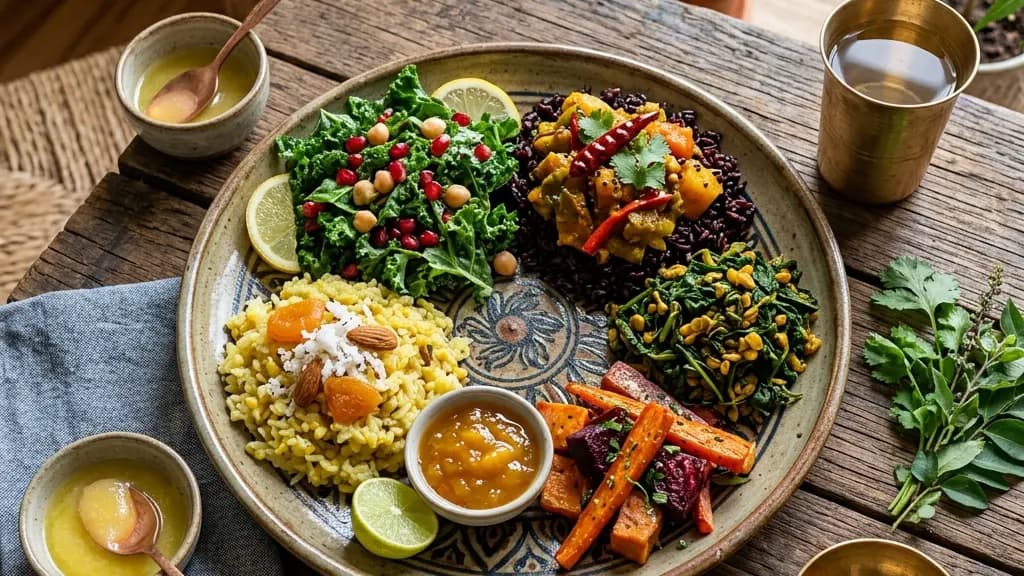
The Six Tastes of Ayurveda: Balancing Your Diet Beyond Calories
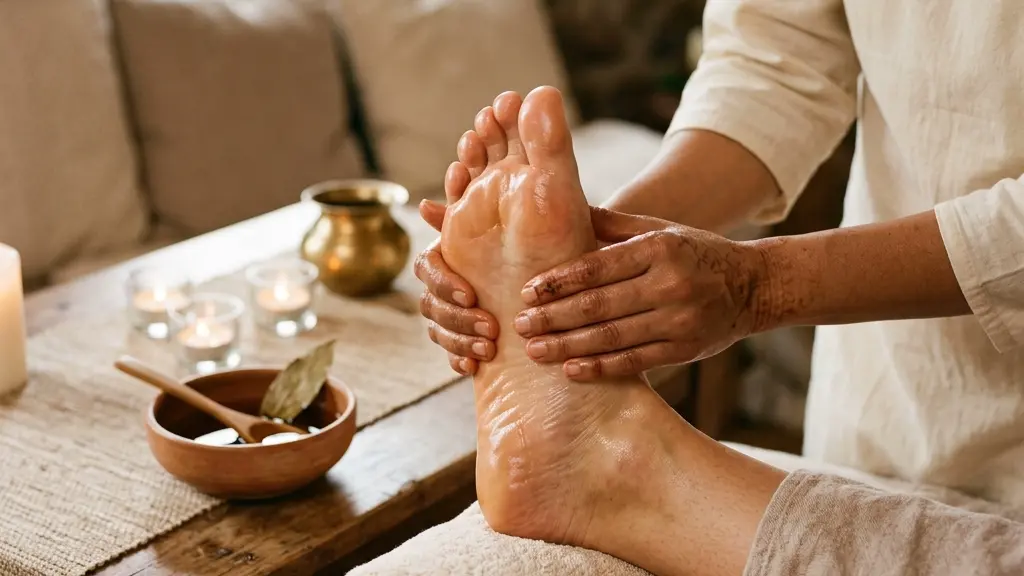
Plantar Fasciitis: Combining Foot Abhyanga (Padabhyanga) with Calf Eccentric Stretches