Coccydynia: Physical Therapy Interventions for Tailbone Pain
"If sitting down feels like you have accidentally parked your posterior on a sharp LEGO brick, you are dealing with more than just a sore tailbone. The solution is not to cushion the pain, but to release the mechanical pull at its base."
For many individuals, sitting down is not a time of relaxation but a source of intense dread. That sharp, stabbing ache at the very bottom of the spine, known clinically as coccydynia, can make a simple desk job or a long dinner feel like an endurance test. The tailbone may be small, but when it is irritated, it dominates your entire physical experience.
Standard foam cushions are often a waste of effort. Plunking your hips down on a regular soft pillow actually compresses the tailbone further by pushing the local tissues upward against the bone. To get lasting relief, you must understand the muscular pulls on your pelvis and implement targeted physical therapy.
To establish long-term coccydynia relief, you need to systematically reduce joint friction and rebalance the pelvic ring. This guide will walk you through the biomechanics of tailbone tension and present clinical physical therapy for tailbone pain protocols that you can perform at home.
The Biomechanical Tug-of-War on Your Coccyx
The coccyx is a small, triangular bone at the end of the spinal column consisting of three to five fused or semi-mobile segments. It serves as an attachment site for various tendons, ligaments, and the pelvic floor muscles. When you sit upright, your weight is distributed between your sit bones and the tailbone, forming a stable tripod.
However, when you slouch backward, the weight distribution shifts heavily onto the delicate tailbone. Prolonged pressure irritates the periosteum, the thin layer of tissue wrapping the bone, leading to chronic inflammation. Over time, the surrounding ligaments become rigid, locking the joint in a dysfunctional, painful position.
Clinical observations show that 70% to 80% of coccydynia cases are associated with hypertonic pelvic floor muscles. These muscles attach directly to the front of the tailbone, pulling it forward like a tight bowstring. Release of this muscular tension is essential to allow the tailbone to return to its natural alignment.
Scientific testing highlights how different sitting postures and pelvic conditions affect coccygeal pressure:
- 1Slouched Sitting LoadLeaning backward while sitting increases the mechanical load on the coccyx by 175%, forcing the bone to bear excessive weight.
- 2Pelvic Floor TensionA tight pelvic floor pulls the tailbone forward, reducing the joint's movement range by up to 50% and causing severe irritation.
- 3Pelvic Tilt AngleA posterior pelvic tilt increases the direct shear forces on the coccyx joint by 3 times compared to a neutral pelvis.
- 4Recovery Success RateOver 85% of patients experience complete resolution of symptoms when combining pelvic release with postural re-education.
The Clinical Opinion: Stop Using Standard Donut Cushions
"I consistently advise patients to throw away their circular donut cushions. While they seem logical, donut cushions cause the pelvic floor to sag into the center hole, which actually stretches the coccygeal nerves and worsens the pain. Instead, you must use a wedge-shaped cushion with a U-shaped cutout at the back to completely suspend the tailbone in the air."
Targeted Pelvic Floor Release and Coccyx Mobilization Exercises
To resolve tailbone pain, you must release the tight muscles pulling on the coccyx and restore normal joint alignment. Move slowly through these stretches and breathe deeply.
Phase 1: Deep Pelvic Floor Relaxation
To reduce the forward pull on your tailbone, you need to relax the levator ani muscles. Lie on your back and pull your knees toward your chest, spreading them wider than your torso in a Happy Baby pose. Hold the outer edges of your feet or behind your knees. Take slow, diaphragmatic breaths, visualizing your pelvic floor dropping and expanding with each inhale. Perform this for 2 minutes daily.
Phase 2: Active Coccyx Mobilization Exercises
To restore movement to the coccygeal joint, perform gentle pelvic tilts. Get onto your hands and knees on a soft mat. As you inhale, arch your back slightly and lift your tailbone toward the ceiling (anterior tilt). As you exhale, tuck your tailbone under, contracting your lower abdomen gently (posterior tilt). Keep the range of motion pain-free to gently mobilize the joints. Repeat for 15 slow repetitions daily.
Phase 3: Piriformis and Gluteal Release
The piriformis muscle can compress the nerves surrounding the sacrum, amplifying tailbone pain. Lie on your back with both knees bent. Cross your painful leg's ankle over the opposite knee. Loop your hands behind your straight leg and gently pull it toward your chest until you feel a deep stretch in your buttock. Hold for 30 seconds, repeating 3 times on each side daily.
The Patient: Marcus, a 45-year-old delivery driver, suffered from chronic tailbone pain that made driving his vehicle for more than 20 minutes agonizing.
The Mistake: He bought a standard circular donut cushion and took over-the-counter painkillers daily, which did not relieve his sharp pain when standing up.
The Solution: We replaced his donut cushion with a wedge cushion containing a rear cutout. We instructed him in daily diaphragmatic breathing and pelvic floor release exercises to quiet his spasmed muscles.
The Outcome: Marcus achieved 90% pain reduction within 5 weeks and returned to his full-time driving shifts without discomfort.
Practical Ergonomic Seating for Coccydynia
Re-educating your sitting habits is vital to prevent recurrences of inflammation. When sitting at your desk, keep your feet flat on the floor and lean slightly forward from your hips rather than slouching back onto your tailbone. This simple adjustments shifts the load back onto your sit bones, giving the coccyx space to heal.
For more posture guidelines, read our clinical guide on lower back pain from sitting and our analysis of pelvic alignment in anterior pelvic tilt correction. To learn how pelvic floor health affects your back, check out our guide on pelvic floor dysfunction in women to restore strength and coordination.
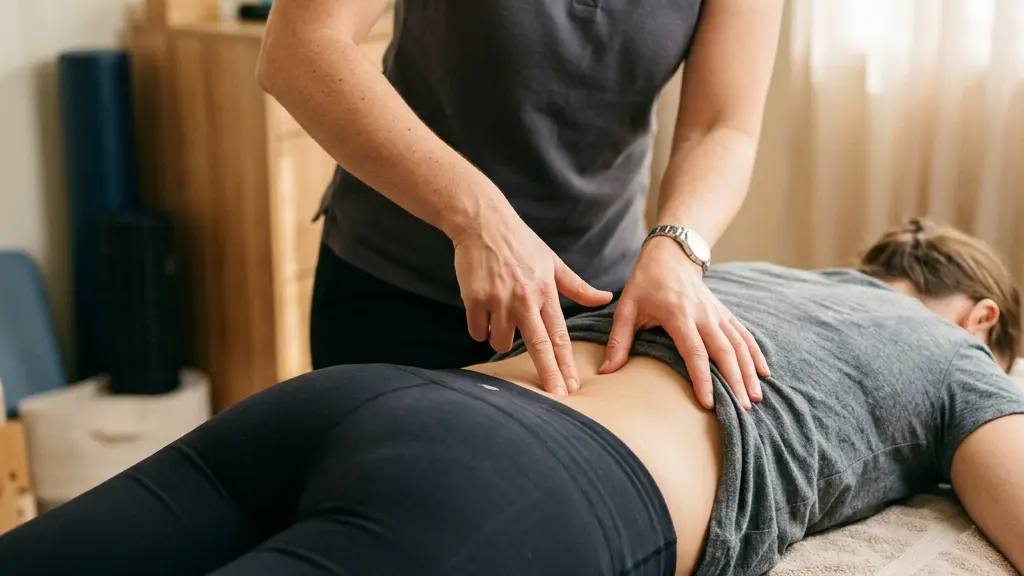
Featured image: High-resolution clinical photograph showing a physical therapist demonstrating a targeted soft-tissue release of the pelvic region on a treatment table. Prepared for AyurPhysio clinical reference.
Irushi Abeywardhana
Senior Physiotherapist & Founder of Physio Pulse. Senior Clinical Physiotherapist passionate about blending advanced movement science with functional resilience.
Medical Disclaimer
The information provided by AyurPhysio is for general educational and informational purposes only. It is not intended as a substitute for professional medical advice, diagnosis, or treatment. Always seek the advice of your physician or other qualified health providers with any questions you may have regarding a medical condition. Never disregard professional medical advice or delay in seeking it because of something you have read on this website.
Trending Guides
Clinical Audit: The Best Knee Unloader Braces for Osteoarthritis & Joint Compartment Unloading (2026 Ratings)
10 min readUsain Bolt's Elite Sprinting with Scoliosis: A Biomechanical Breakdown of Asymmetrical Kinetic Chain Compensation and Hamstring Strain Risk
8 min readRetrolisthesis: Understanding Posterior Vertebral Slippage and Rehab
6 min readQuadratus Lumborum Trigger Points: The Secret Driver of Deep Hip Pain
7 min readNerve Flossing Techniques for Sciatic Nerve Mobilization
6 min readWeekly Wellness
Don't miss the next guide
Join 5,000+ subscribers getting holistic health tips every Tuesday.
Related Healing Guides
View All Guides →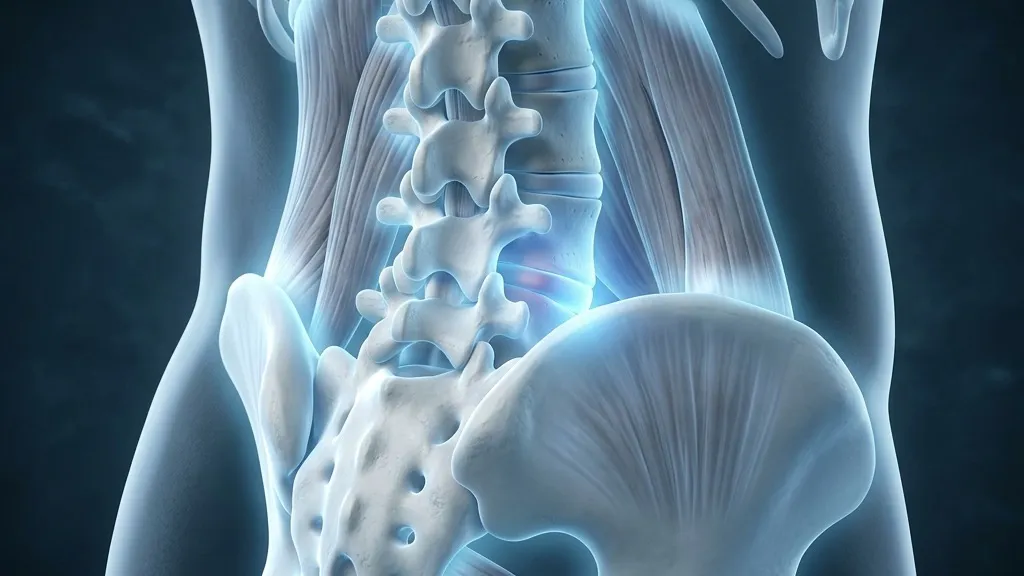
Retrolisthesis: Understanding Posterior Vertebral Slippage and Rehab

Quadratus Lumborum Trigger Points: The Secret Driver of Deep Hip Pain